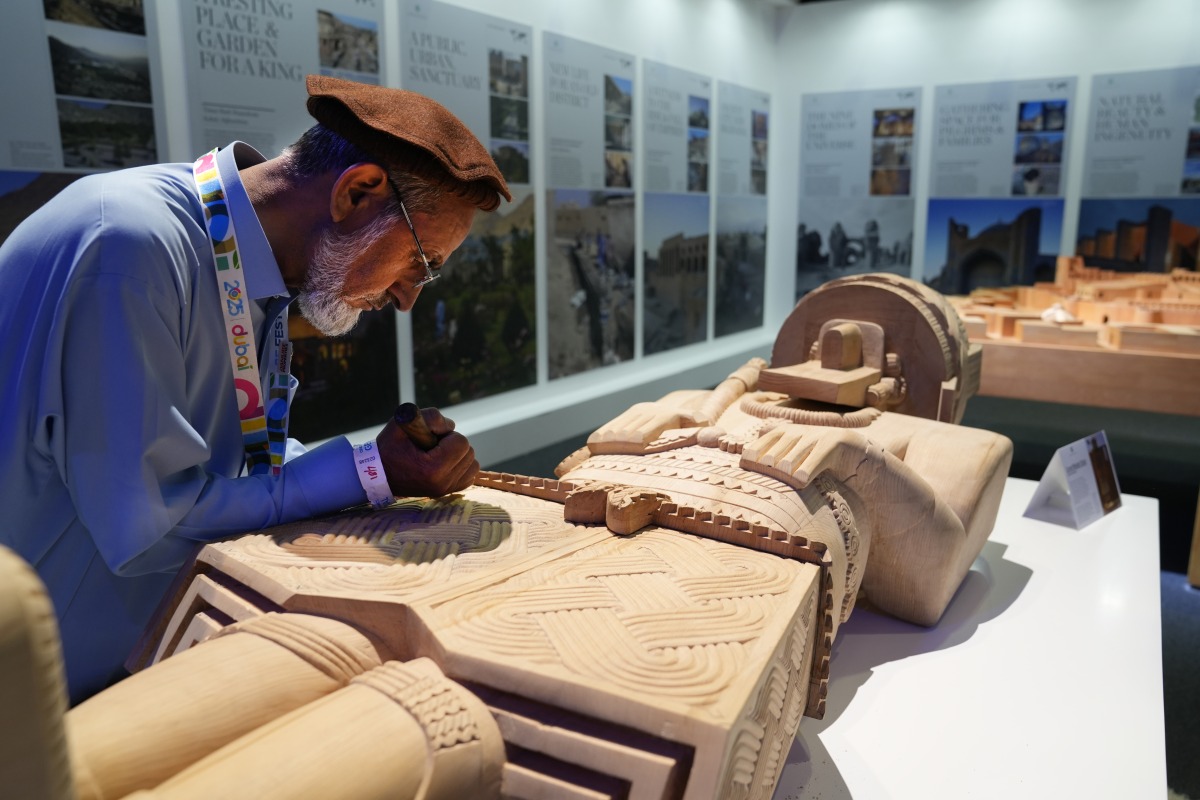
Image Credit: Live wood-carving event at the Global Encounters Festival in Dubai (2025). Image courtesy of Aga Khan Trust for Culture (AKTC)
Doha, Qatar: Qatar Museums (QM) will present a citywide programme of exhibitions, public art installations, and cultural initiatives across Doha to coincide with the inaugural edition of Art Basel Qatar, taking place on 5 - 7 February 2026.
Launching alongside Qatar Museums’ already comprehensive Fall–Winter season, these new presentations will activate multiple institutions and public spaces across the city, offering international audiences a broad view of Qatar’s cultural landscape during Art Basel Qatar, which is presented in partnership with Qatar Sports Investment and QC+.
Spanning centuries and continents, the full programme brings together landmark exhibitions, newly commissioned works, performances, and public programmes across Qatar Museums’ institutions, reflecting the breadth and depth of its year-round cultural activity.
New presentations this February include performances by Tarek Atoui and Rirkrit Tiravanija; public programmes, and an exhibition focused on Ghanaian contemporary artists at Liwan Design Studios and Labs. Other highlights include Empire of Light: Visions and Voices of Afghanistan at the Museum of Islamic Art - an unprecedented survey of the arts of Afghanistan spanning from the pre-Islamic era to the present day, showcasing contemporary works alongside rarely seen historical artworks that reflect centuries of global heritage.
At the Fire Station, solo exhibitions by Chung Seoyoung, Haroon Mirza, and Ho Tzu Nyen mark a significant moment in the institution’s evolution, further establishing the Fire Station as a site for artistic and intellectual engagement under the leadership of Wael Shawky, Artistic Director of the Fire Station and Artistic Director of the inaugural edition of Art Basel Qatar.
Her Excellency Sheikha Al Mayassa bint Hamad bin Khalifa Al Thani, Chairperson of Qatar Museums, said, “The first edition of Art Basel Qatar, presented in partnership with major Qatari institutions, will be a new milestone in our support for creativity in the nation and our region and in Qatar’s widely acknowledged achievements in international cultural engagement. As this unprecedented event brings us a host of visitors from around the world, we will welcome them with extraordinary exhibitions, programmes, and events that demonstrate the abundance of cultural and creative offerings in Qatar year in and year out.”
Also on view during Art Basel Qatar as part of Qatar Creates Fall–Winter season are a number of major exhibitions. These include two landmark presentations celebrating the life and work of I. M. Pei: I. M. Pei: Life Is Architecture at ALRIWAQ, and I. M. Pei and the Making of the Museum of Islamic Art: From Square to Octagon and Octagon to Circle at the Museum of Islamic Art.
Further highlights include Countryside: A Place to Live, Not to Leave, a major exhibition and manifesto by AMO/OMA, presented at the Qatar Preparatory School and the National Museum of Qatar, which reimagines the role of the global countryside. At the National Museum of Qatar, Lehmesa: Return by Moonlight offers an immersive exploration of the hawksbill turtle and Qatar’s coastal marine ecosystems, while A Nation’s Legacy, A People’s Memory: Fifty Years Told honours NMoQ’s 50-year history.
Additional exhibitions and installations on view include untitled 2025 (no bread no ashes), an installation and performance by Rirkrit Tiravanija presented by the forthcoming Rubaiya Qatar; a large-scale sculptural self-portrait by Argentinian artist Gabriel Chaile, presented as part of the Qatar-Argentina 2025 Year of Culture; the reinstallation of the public artwork SlugTurtle, TemplEarth by Ernesto Neto at Our Habitas; and four exhibitions marking the 15th anniversary of Mathaf: Arab Museum of Modern Art.
This year, Qatar Museums is marking its 20th anniversary with the launch of Evolution Nation, honouring the establishment of the National Museum of Qatar 50 years ago and highlighting the nation’s cultural milestones and its aspirations for the future. As Qatar Museums looks ahead, it continues to welcome those who wish to contribute to this shared cultural legacy, ensuring that the collections entrusted to the nation today will inform, inspire, and belong to generations to come.
Special Performances
Image Credit: Live wood-carving event at the Global Encounters Festival in Dubai (2025). Image courtesy of Aga Khan Trust for Culture (AKTC)
Live Wood Carving Demonstration
3, 5, 6 & 7 February 2026 | 9am - 12pm
Museum of Islamic Art, Atrium
Master woodcarver Dadrahman Niazi from Afghanistan will demonstrate the intricate art of traditional Afghan sculpture, recreating a full-scale replica of the ancient Nuristani statue.
Using age-old techniques passed down through generations, they will skillfully transform blocks of cedar wood into a figure adorned with geometric and floral motifs, embodying the animist heritage of Nuristan before its conversion to Islam in the late 19th century.
This demonstration will not only preserve a vanishing craft but also will offer insight into the region’s distinct aesthetic traditions, where woodcarving served both sacred and everyday purposes. Each chisel stroke will revive the memory of a culture once hidden in the remote valleys of eastern Afghanistan.
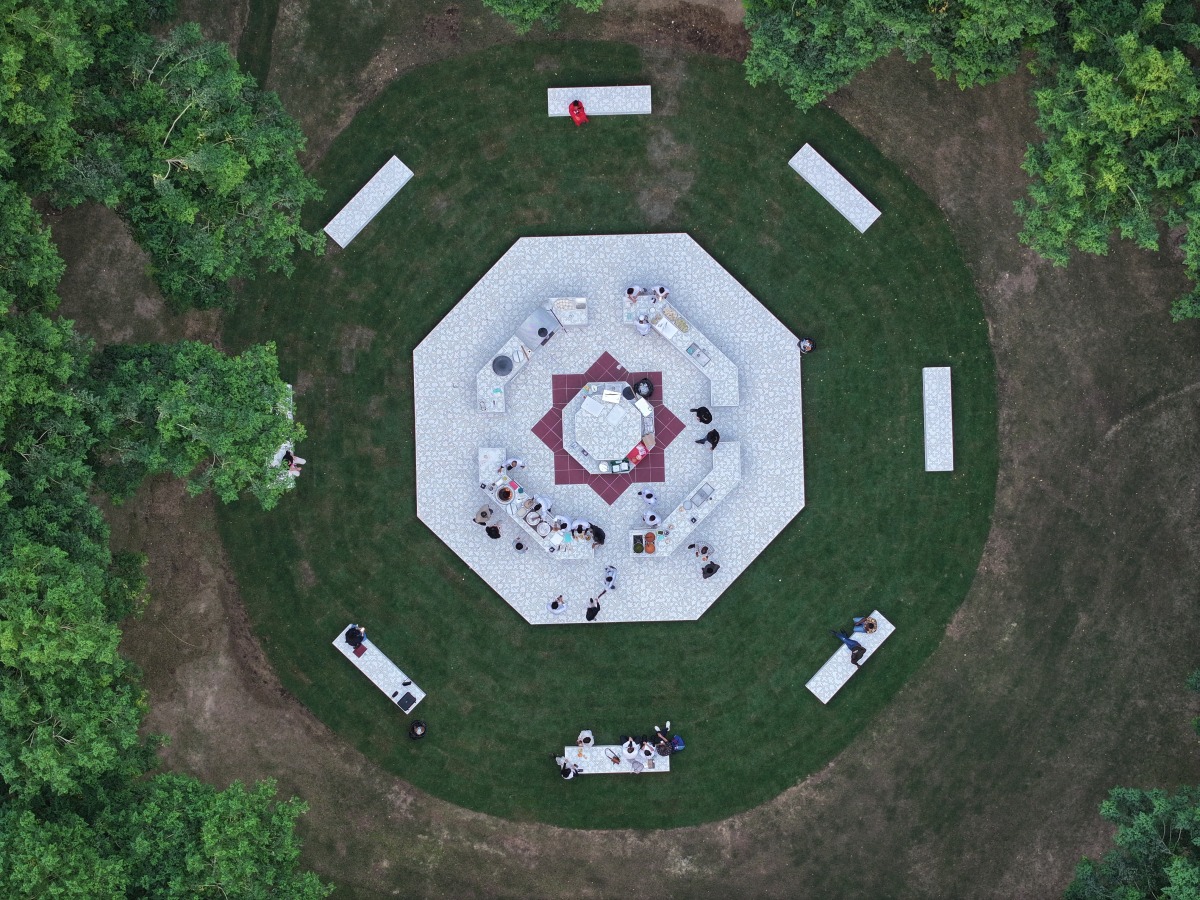
Image Credit: Qatar Museums
untitled 2025 (no bread no ashes)
Rirkrit Tiravanija installation presented by Rubaiya Qatar
4 February 2026 | 6:00 PM – 8:00 PM
MIA park
Rirkrit Tiravanija’s interactive installation in the Museum of Islamic Art Park in Doha takes the form of a pavilion with communal ovens, in which local bakers from different cultural traditions have activated weekly since October.
The installation invites visitors to experience the pavilion as a site for social interaction, emphasising connection, shared labour, and cultural identity. Inspired by Argentine artist Victor Grippo’s 1972 performance in Buenos Aires.
The installation is organised by Rubaiya Qatar, Qatar Museums’ international contemporary art quadrennial, which has its inaugural edition in November 2026, and coincides with Qatar-Argentina and Chile 2025 Year of Culture.
Public Art Installations
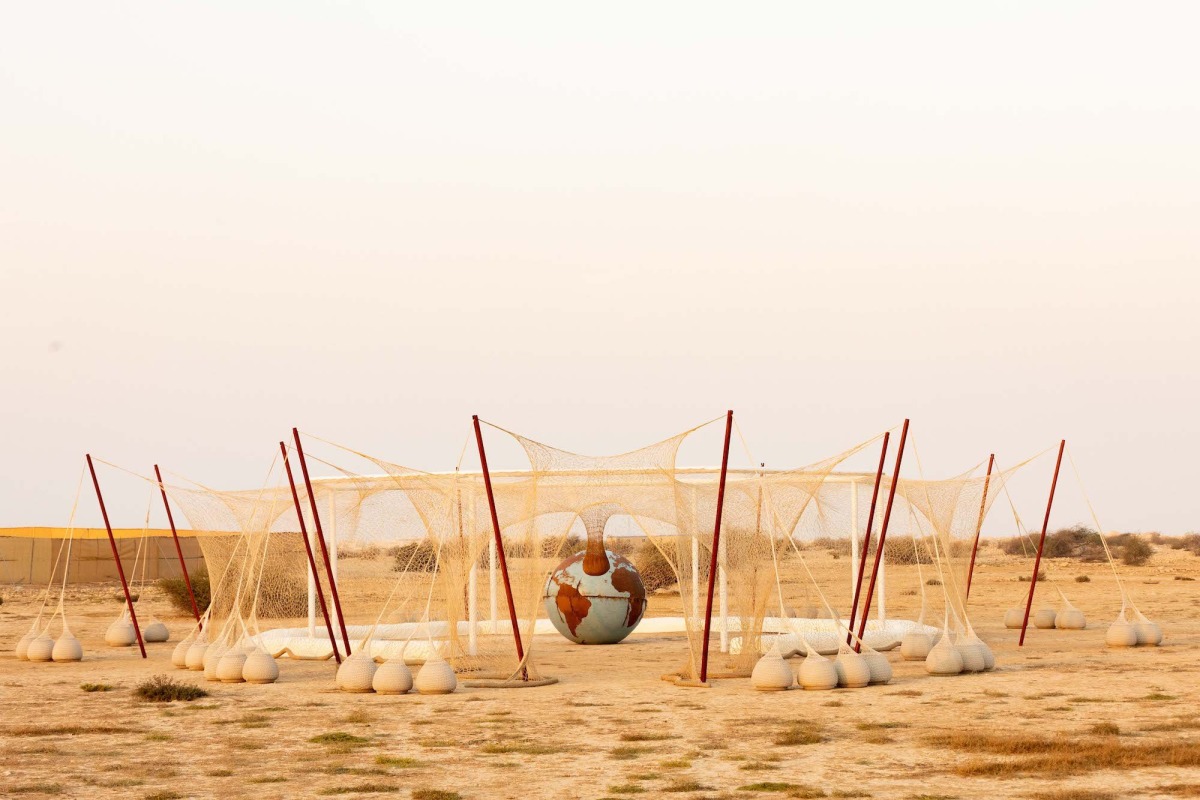
Images courtesy of Qatar Museums, © Qatar Museums 2026
Ernesto Neto; SlugTurtle, TemplEarth
Our Habitas Ras Abrouq
SlugTurtle TemplEarth is a large-scale public artwork by Brazilian artist Ernesto Neto, now reinstalled at Our Habitas Ras Abrouq following its previous presentation in the Zubarah Desert.
Described by Neto as “an animal sculpture ritual room,” the installation features a vast crocheted netting surface, a central octagonal structure made from embedded football goal frames, and a ceramic globe created with Oficina Brennand, surrounded by a ring of cushions.
Visitors can interact and engage all five senses, experiencing the work physically and meditatively. The piece reflects Neto’s interest in biomorphism, Neo-concretism, and Tropicalist traditions, offering a space to contemplate humanity’s connection to the wider ecological and socio-natural world.
Special Exhibitions Opening During Art Basel Qatar
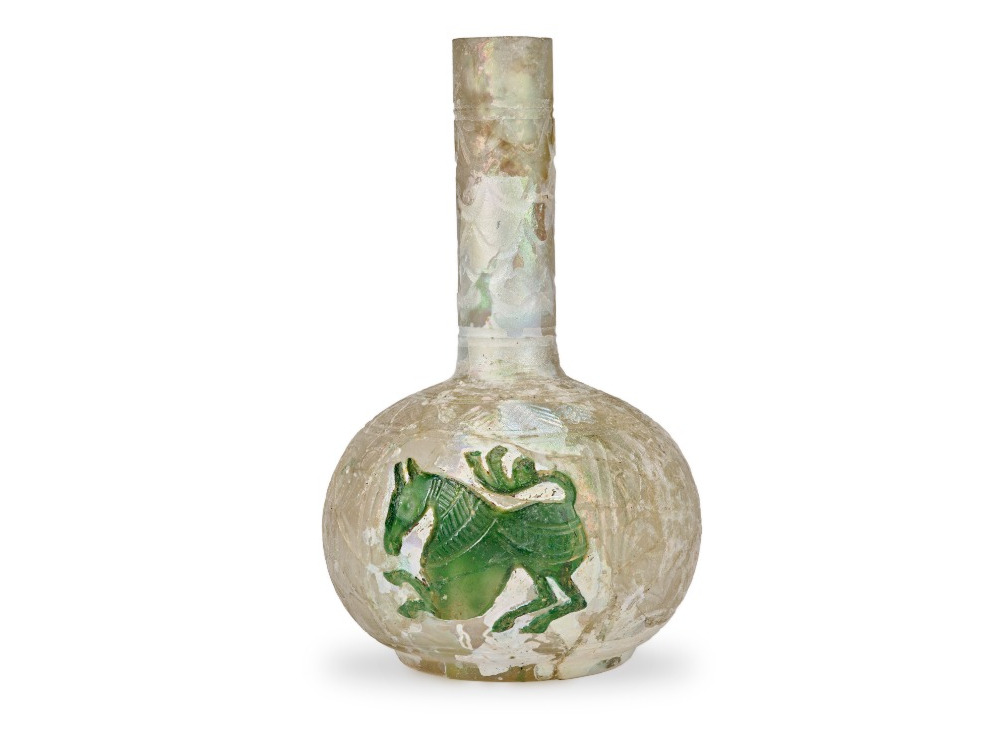
Iran or Central Asia Samanid period, 9th–10th century CE. Colourless glass with green glass overlaid patches and wheel-cut decoration. Museum of Islamic Art, Doha
Empire of Light: Visions and Voices of Afghanistan
2 February–30 May 2026
Museum of Islamic Art
Empire of Light: Visions and Voices of Afghanistan is a visual journey into the art, culture, and history of Afghanistan. Placed at the heart of Eurasia, the country has been an extraordinary place where people met and ideas circulated for centuries.
Bringing together rare historical objects, craftsmanship, and works by selected contemporary artists, the exhibition shows that Afghanistan is far more than today's headlines.
The result of a two-year collaboration with the Aga Khan Trust for Culture (AKTC), Empire of Light provides new perspectives on Afghanistan's vast artistic heritage and historical complexity. It is a reminder that Afghanistan is not long ago and far away but a living culture, straddling its past and the future.
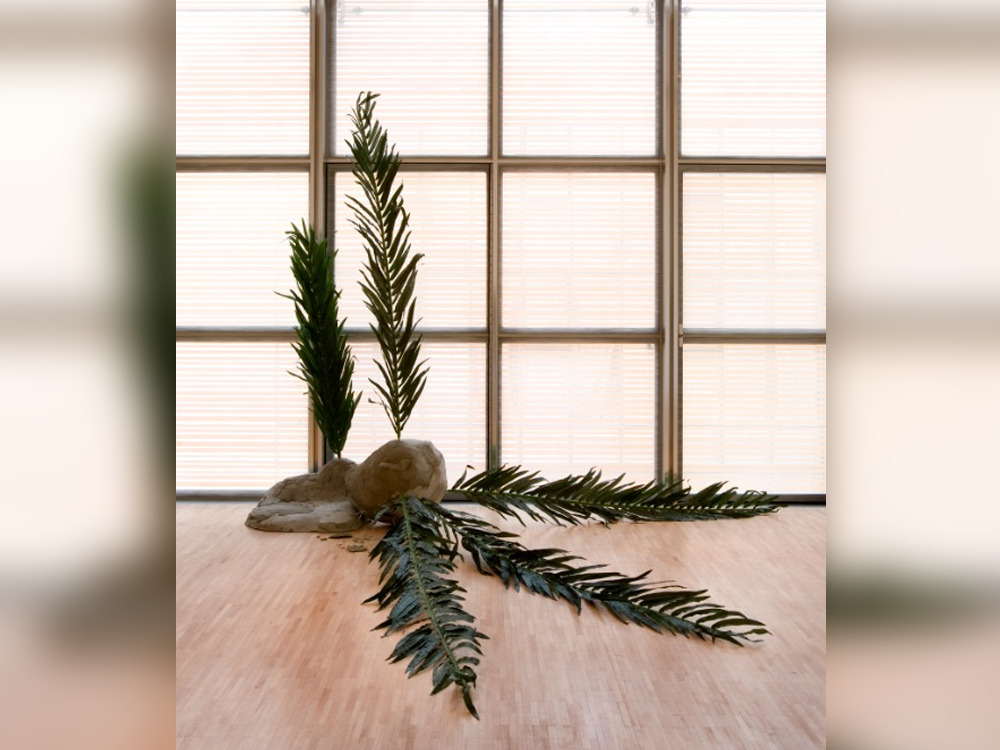
Chung Seoyoung, To Clean Up Once a Year, 2007,Cement, artificial plant, Collection of Gyeonggi Museum of Modern Art
Chung Seoyoung: Endless Facts
5 February - 20 April 2026
Fire Station
For over three decades, Chung Seoyoung (b. 1964) has explored the multifaceted potential of object and language through sculpture, installation, drawing, sound, performance, and video. Emerging in the mid-1990s, during which South Korea experienced rapid political, social, and cultural transformations, the artist introduced fresh possibilities for the medium of sculpture that played a pivotal role in the formation of contemporary art in the nation.
Endless Facts, Chung’s first solo exhibition in the Middle East, assembles a number of significant works made throughout her career, tracing the evolution of her artistic language as it intersects with her lived experiences and collective memories.
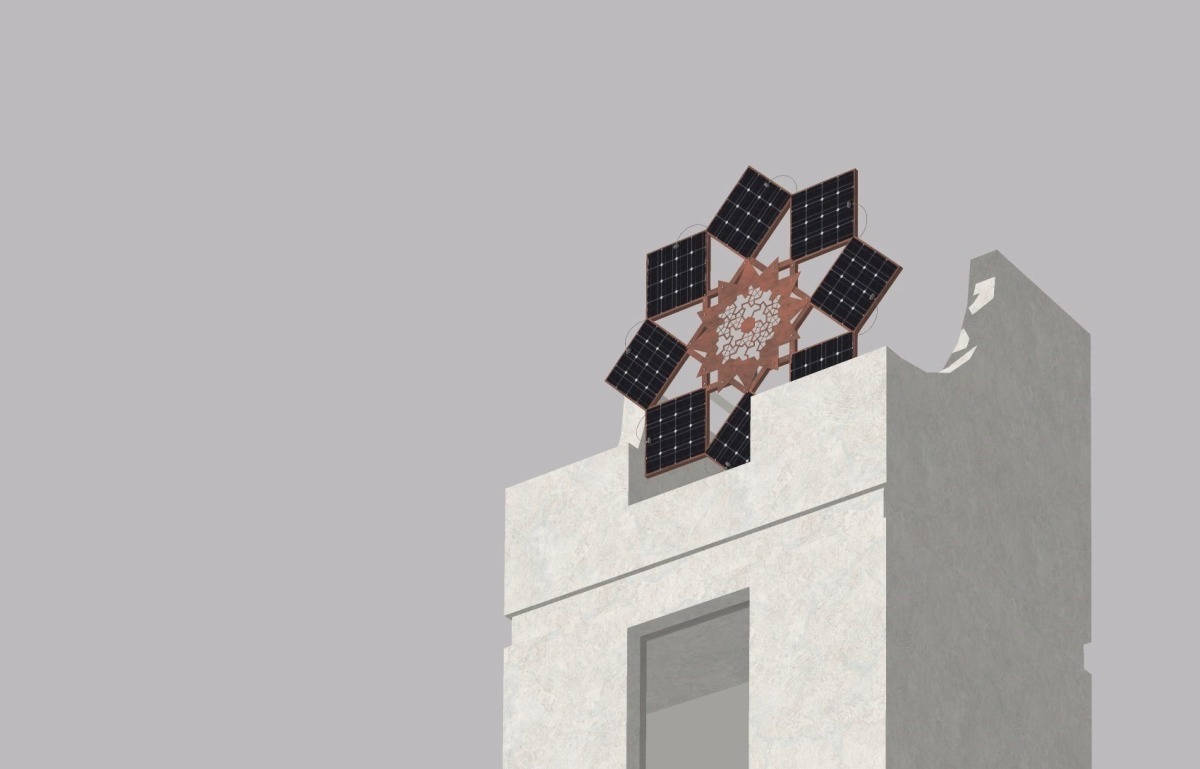
Haroon Mirza, Mirag Al Shams, 2026, Courtesy of the artist
Haroon Mirza: Everything was, is and always will be
5 February - 31 May 2026
Fire Station
Spanning the Fire Station’s Gallery 3 and the Tower, “Haroon Mirza: Everything was, is and always will be” unfolds the artist’s ongoing engagement with light and sound compositions generated by electrical signals, expanded and reconfigured in response to the Fire Station’s architectural and daily landscape.
As the first institutional solo presentation of the artist in Qatar and the GCC, the exhibition brings together two installations and a performance newly realized for this presentation.
Referencing scientific ambition and futurist imagination while working with everyday and repurposed technologies, the works translate electrical energy into frequencies, rhythms, and temporal alignments that cut across different spiritual and cultural systems.
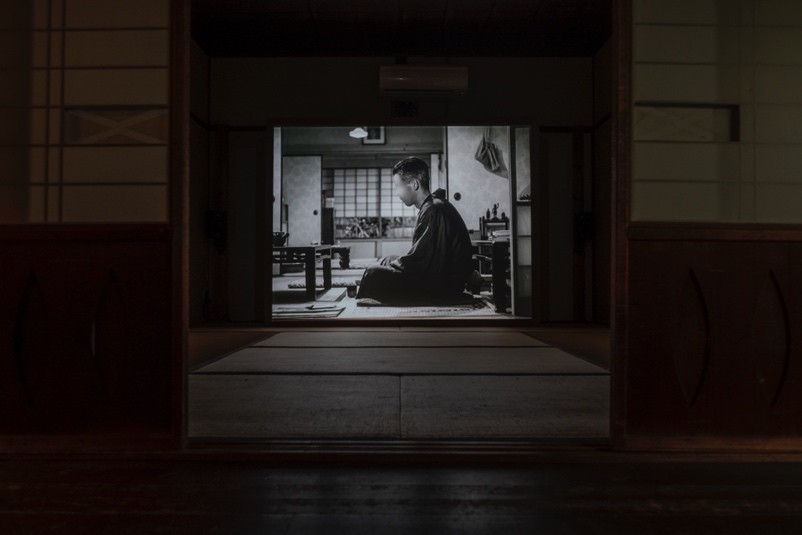
Ho Tzu Nyen, Hotel Aporia, 2019, 6-channel video projections (4:3 format, colour, and 24-channel sound, 84 min 1 sec), automated fan, lights, transducers and show control system. Installation view at the Aichi Triennale 2019. Photo by Hiroshi Tanigawa, courtesy of the artist and Kiang Malingue
Ho Tzu Nyen: Hotel Aporia
5 February - 31 May 2026
Fire Station
Born in Singapore in 1976, Ho Tzu Nyen works primarily in film, video, performance, and environmental multimedia installations. The Fire Station presents a solo exhibition of Ho Tzu Nyen’s Hotel Aporia, a seminal installation that exemplifies the artist’s rigorous research and haunting visual language.
Ho’s practice frequently operates at the intersection of cinema, archival history, and algorithmic intervention, interrogating how historical narratives are constructed and consumed within postcolonial and transnational landscapes, particularly across the shared borders of East and Southeast Asia.

Image Credit: Theresah Ankomah, Unknotted A continuity of the old. 2021. Dyed woven palm leaves. Courtesy of the artist.
Ade’nnsãda!, Where Night Never Falls…Initiating Contemporary Pan-African Dialogues Around Tapestry and the Masterpiece
1 - 28 February 2026
Liwan Design Studios and Labs
“Ade’nnsãda!, Where Night Never Falls… Initiating Contemporary Pan-African Dialogues Around Tapestry and the Masterpiece” brings together a selection of works by 14 contemporary artists from five African countries whose practices engage regional and international issues through critical, creative, and embodied approaches.
The exhibition is expanded through community engagement activities, including talks and a performance art presentation. The exhibition is curated by the Foundation for Contemporary Art–Ghana (FCA-Ghana) and TM Projects, in collaboration with Liwan Design Studios, ARAK Collection and VCUarts Qatar.
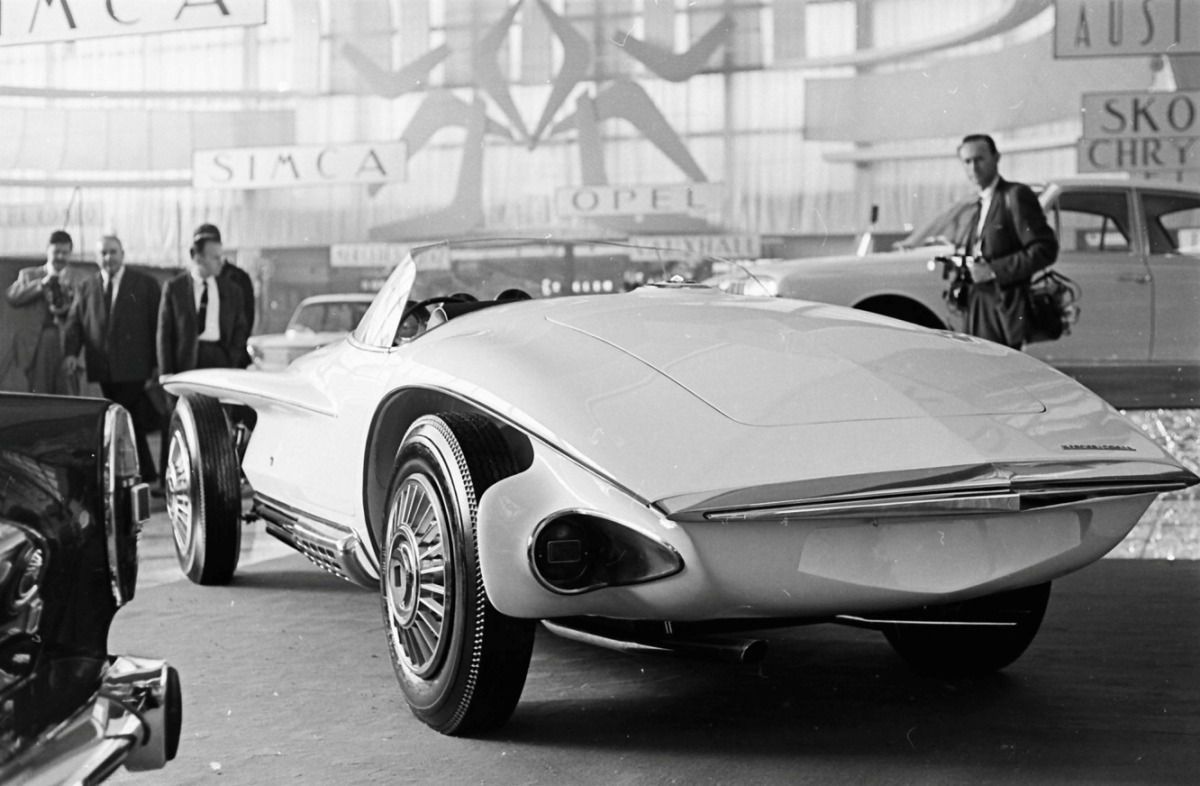
Image Credit: Graham Gauld
A Sneak Peek at Qatar Auto Museum Project
2 February 2026 - 2 February 2027
National Museum of Qatar, Mawater Gallery
The Qatar Auto Museum will refresh its "A Sneak Peek" exhibition at the National Museum of Qatar’s Mawater Gallery. This year-long display features a premier lineup headlined by a 1957 Ferrari 250 GT LWB Tour de France and a 1965 Mercer Cobra, both of which will remain on view through February 2027.
Joining them is a 1970 Mercedes-Benz 600 SEL, which marks the debut of a rotating spotlight—this third slot will feature a different vehicle every few months to offer visitors a fresh perspective on the collection.
Ongoing Exhibition Highlights
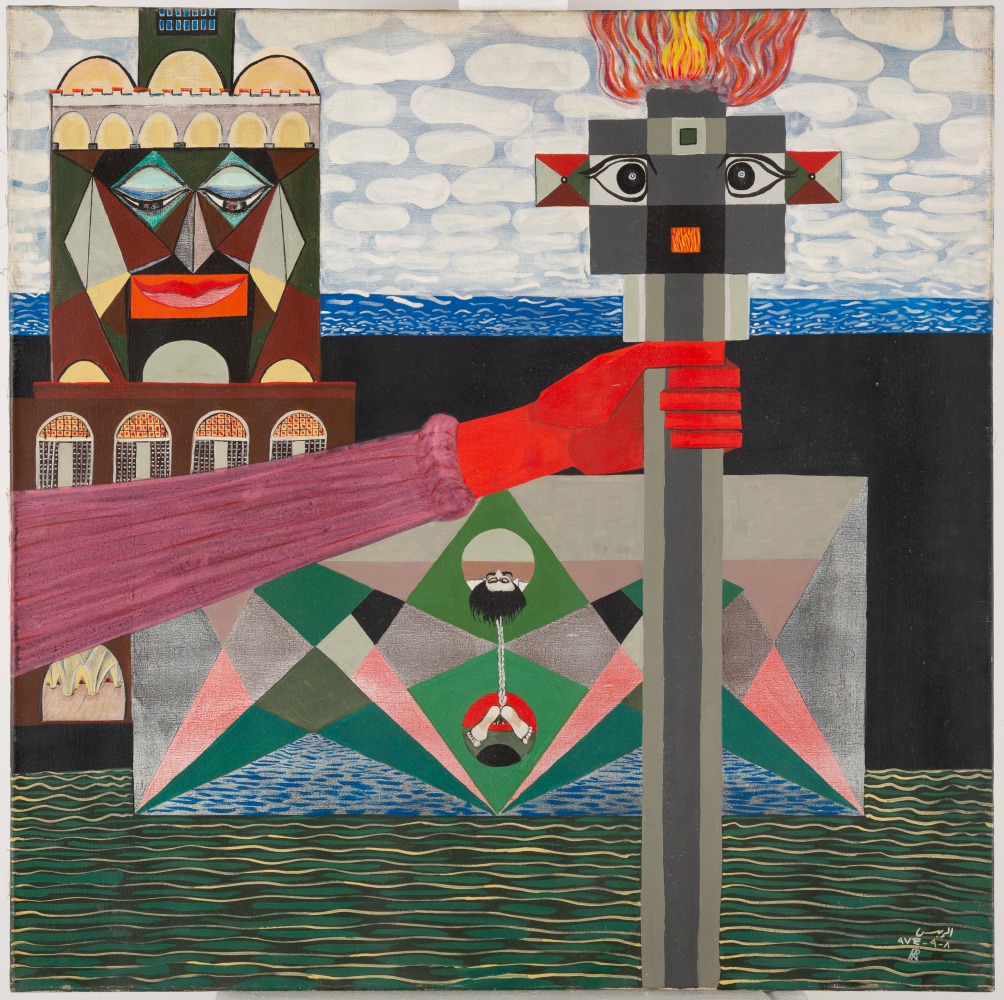
Image Credit: Aref El-Rayess, The World of Petrol
Resolutions: Celebrating 15 Years of Mathaf
Permanent Collection
Mathaf: Arab Museum of Modern Art
Through a display of its permanent collection of modern and contemporary art, Resolutions: Celebrating 15 Years of Mathaf revisits the museum’s primary vision. It explores the legacy of Mathaf by showcasing the evolution of its exhibition and research practices in addition to its history of collaborations.
With the revival of institutional memory, Mathaf continues to foster decolonial discussions surrounding the visual identity of the Arab world in a global context. The anniversary exhibition presents diverse regional narratives through a dynamic approach while reflecting upon Mathaf's future.
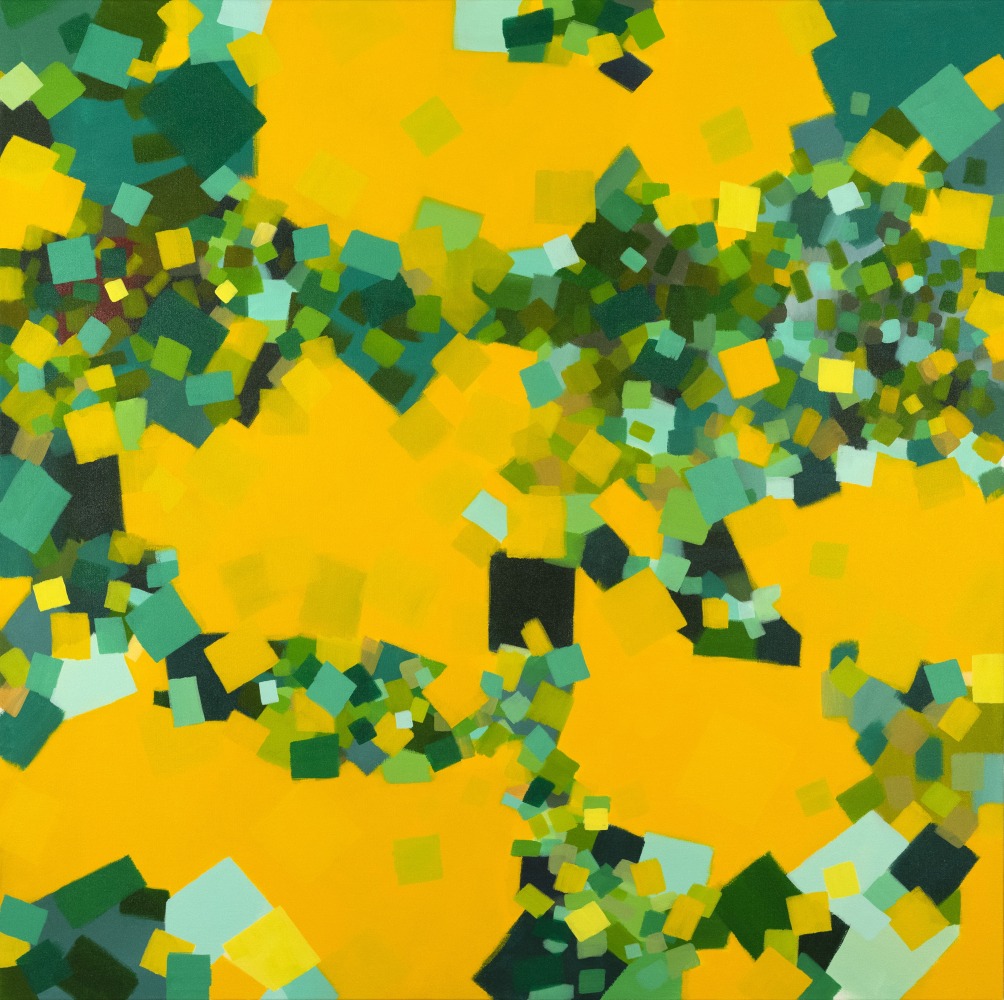
Image Credit: Samia Halaby, Six Golden Heroes
we refuse_d
On view until 9 February 2026
Mathaf: Arab Museum of Modern Art
Presented at Mathaf: Arab Museum of Modern Art as part of its 15th-anniversary celebration, we refuse_d draws its provocative title from two historical references: Hannah Arendt’s 1943 essay We Refugees and the nineteenth-century Parisian Salon des Refusés’ role as a significant space of freedom outside mainstream discourses and the market.
The exhibition invites artists to explore the tensions between resilience and action, probing responses to contemporary political and social challenges.
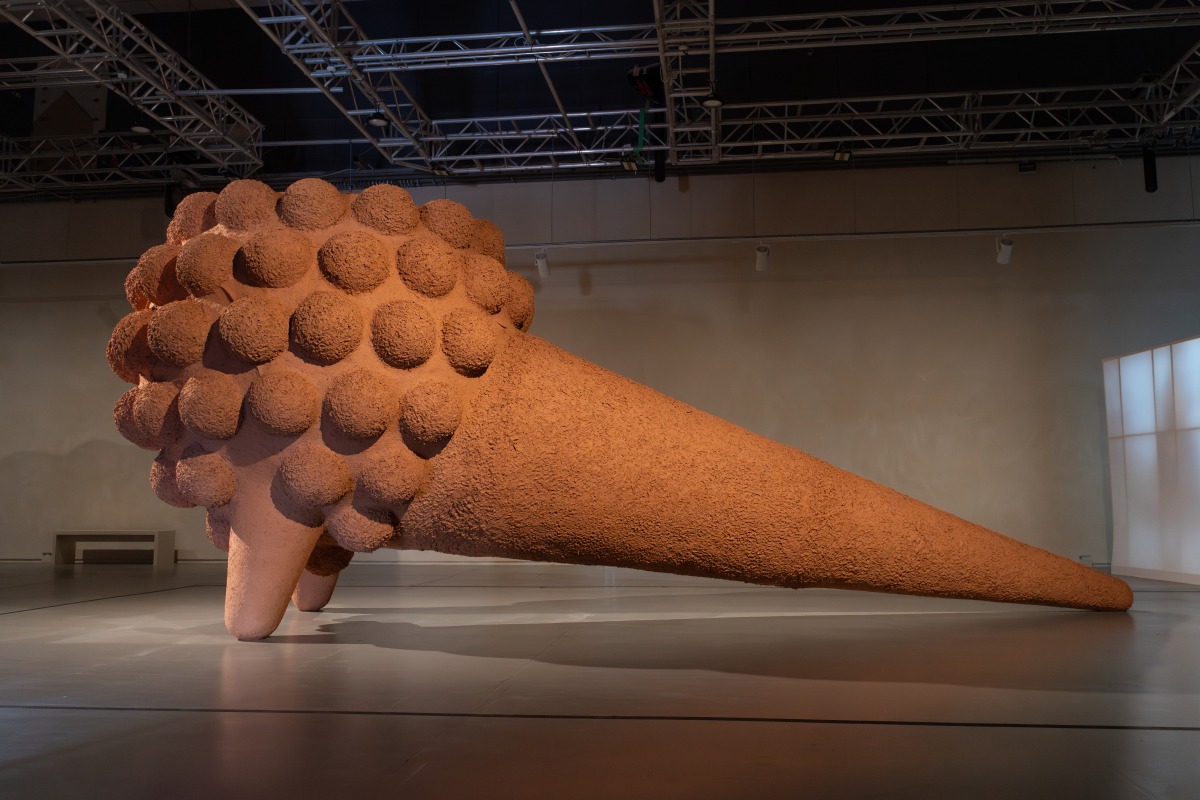
Image Credit: © Gabriele Chaile, 2026. Photographs by Adriane de Souza
Gabriele Chaile’s Autorretrato
On View until 21 February 2026
Mathaf: Arab Museum of Modern Art
Autorretrato is a large-scale sculptural self-portrait by Argentinian artist Gabriel Chaile. Inspired by the formal language and materials of the indigenous communities of northeastern Argentina, Chaile’s monumental sculpture combines abstract human features and traditional pottery.
Chaile, who is of Afro-Arab descent, brings to his artistic practice a complex sense of belonging and diaspora. His presentation at Mathaf reflects the museum's mission to amplify Arab voices in global contemporary art and to explore the transnational connections that define Arab identity today.
The installation, presented in collaboration with Qatar Museums’ Public Art programme and as part of Qatar Argentina and Chile 2025 Years of Culture, will offer a preview of the Museum’s future focus on ceramic art.
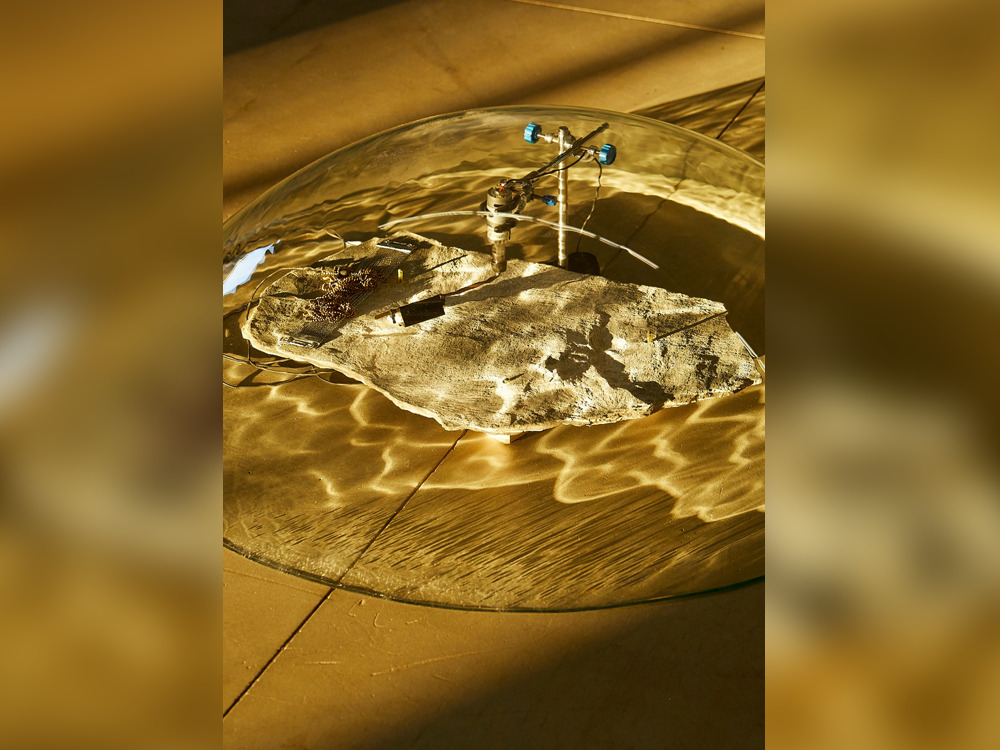
Image Credit: Hangar Biccoca (Milan) Waters' Witness ©Rasa Juskeviciute
Waters’ Witness by Tarek Atoui
On View until 16 June 2026
Mathaf: Arab Museum of Modern Art
Waters’ Witness is an ongoing research project focused on water by Franco-Lebanese artist and electroacoustic composer Tarek Atoui.
In an installation composed of marble, metal, ceramics, and other materials, Atoui will present a soundscape that documents the human, ecological, historical, and industrial histories of various coastal cities—Athens, Abu Dhabi, Beirut, Istanbul, Porto, Singapore, and Sydney and now Doha—whose economic and social lives are closely tied to their ports.
Created from recordings conducted by Atoui and his collaborators, Eric La Casa and Chris Watson, the work will be accompanied by a VIP performance scheduled on 3 February 2026.

Image Credit: ©Mohammed Bu Hindi Al Bu Hindi
A Nation’s Legacy, A People’s Memory: Fifty Years Told
On View until 7 February 2026
National Museum of Qatar
The National Museum of Qatar celebrates its 50th anniversary with an exhibition chronicling its history, from its visionary founding to its present status as a shining example of an institution dedicated to national storytelling.
Beginning with HE Sheikh Khalifa Al Thani’s decision in 1972 to establish a museum, officially inaugurated on 23 June 1975 in the Sheikh Abdullah bin Jassim Palace, that would chronicle Qatari life amid rapid social and economic changes.
The exhibition retells five decades of transformation, through to its 2019 reopening as the National Museum of Qatar with Jean Nouvel’s acclaimed building design.
This evolution reflects the broader growth of Qatar’s cultural institutions and their role in shaping cultural diplomacy. Over the past half-century, the development of a vibrant cultural ecosystem has enabled Qatar to share its heritage globally, most notably through initiatives like Years of Culture. Together, these efforts weave a holistic story of national identity, cultural heritage, and international connection.
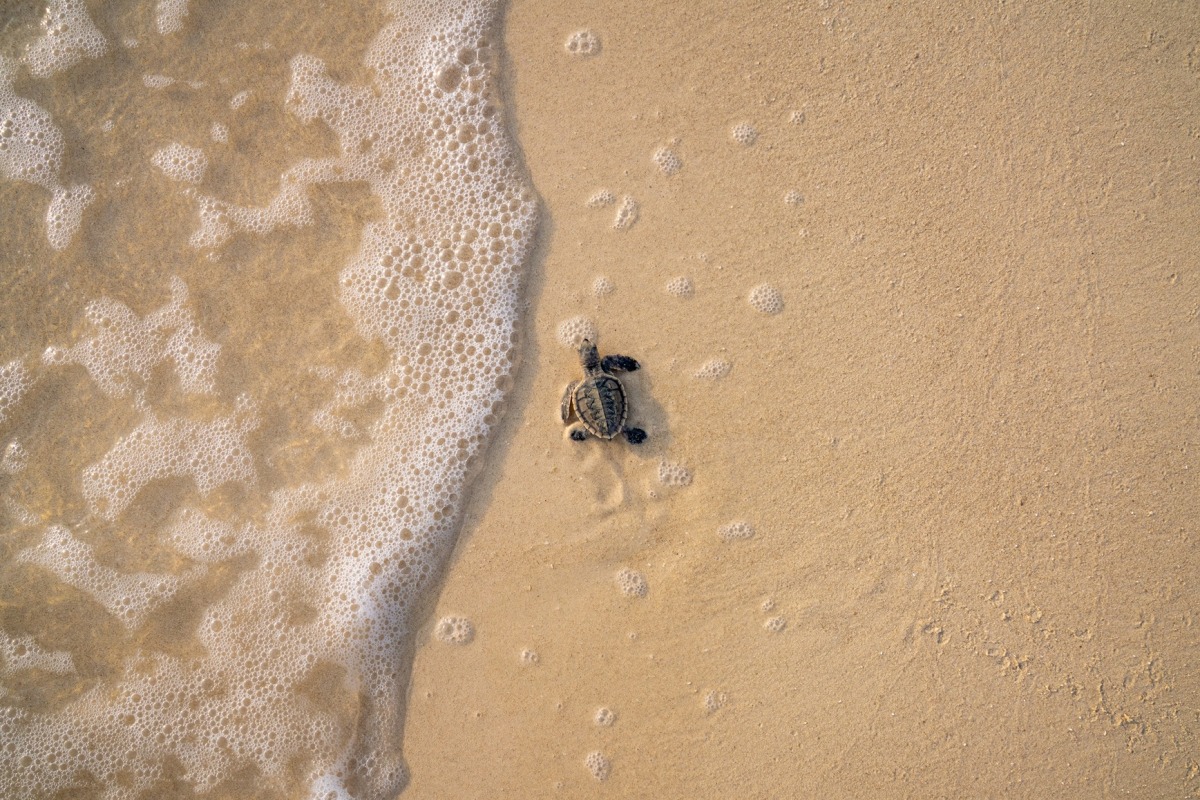
Photo © by Azzam Al Mannai, 2025
Lehmesa: Return by Moonlight
On view until 7 February 2026
National Museum of Qatar
Qatar is home to the hawksbill turtle (known locally as “Lehmesa”), which returns to the country’s coasts each nesting season.
With nearly all regional sea turtle species classified as threatened, this landmark exhibition examines these ancient creatures, their life cycles, and the critical challenges they face today: habitat loss, pollution, and climate change. Immersive and interactive in its design, the exhibition invites visitors to engage deeply with the hawksbill’s world.
Focusing on their fragile coastal marine ecosystems, this exhibition underscores Qatar’s critical role in marine conservation and the urgent need for scientific research to protect wildlife.
Aligned with the thematic pillars of Years of Culture, it also highlights Qatar’s commitment to preserving its natural heritage and identity by safeguarding these habitats for future generations.
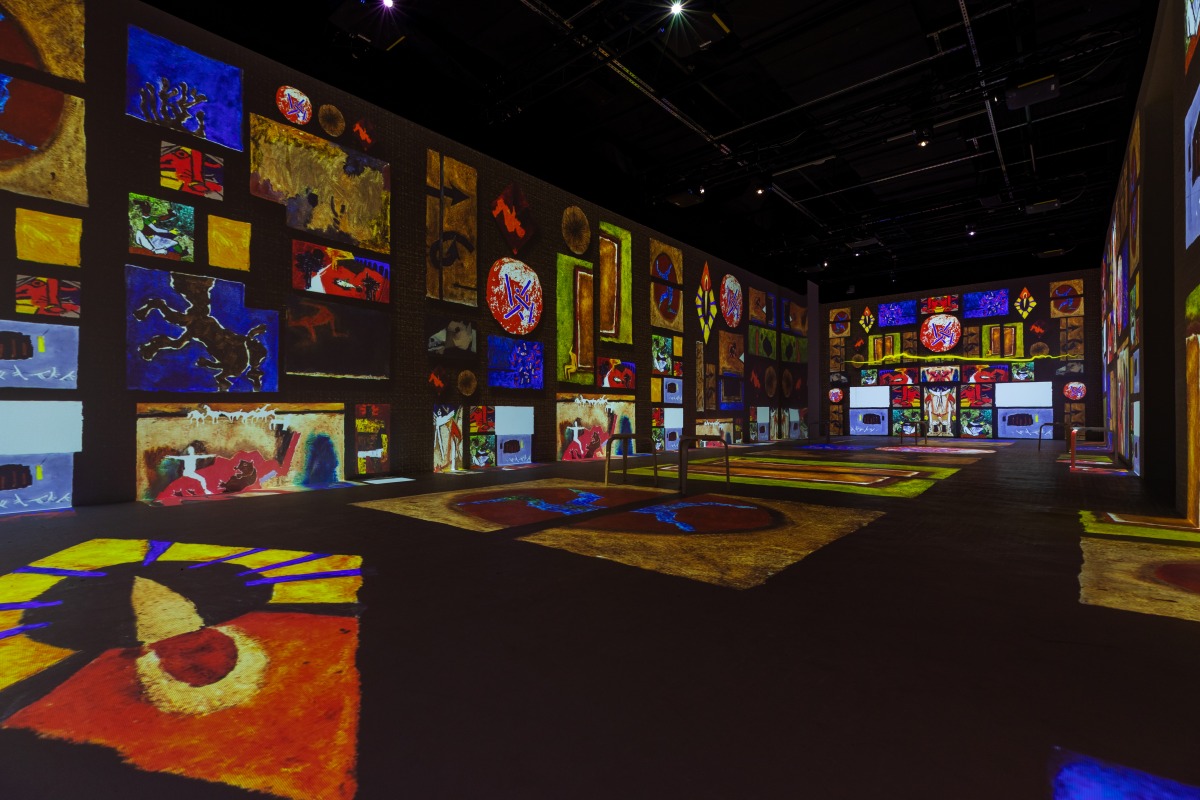
Opening of the Rooted Nomad: MF Husain exhibition at QM Gallery, Katara Building 10. © MF Husain. Photo © Qatar Museums, 2025.
The Rooted Nomad: MF Husain
On view until 7 February 2026
QM Gallery Katara
QM Gallery Katara presents The Rooted Nomad: MF Husain, an immersive exhibition in partnership with the Kiran Nadar Museum of Art (KNMA), New Delhi, India, capturing the life and art of one of the most influential Indian modernists, Maqbool Fida Husain (1915–2011).
Conceived and curated by KNMA and visualised and designed by Visioni Srl, Rome, the immersive experience, originally shown at the 2024 Venice Art Biennale, has been reimagined for Doha, introducing new spatial and sensory experiences that trace Husain’s artistic journey, shaped by memory, mythology, and a nomadic spirit. The Rooted Nomad: MF Husain builds on the legacy of the Qatar–India 2019 Year of Culture.
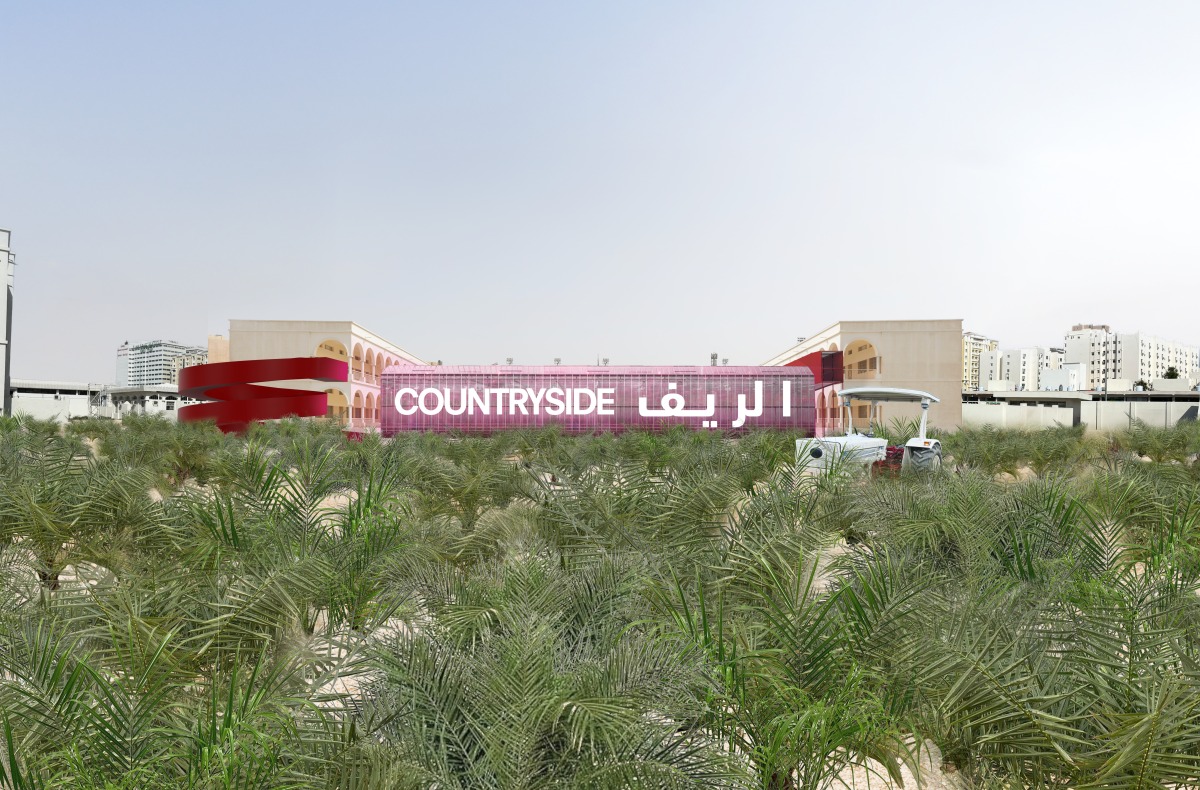
Photo © AMO/OMA
Countryside: A Place to Live, Not to Leave
On view until 29 April 2026
Qatar Preparatory School and the National Museum of Qatar
Jointly presented by the Qatar Preparatory School and the National Museum of Qatar, Countryside: A Place to Live, Not to Leave is an exhibition and manifesto by AMO/OMA that challenges urbanisation by rethinking the significance of the countryside.
Building on its original Guggenheim presentation in 2020, this project examines a historically connected region stretching from Africa through the Middle East and Central Asia to Mongolia and China.
Despite representing 80% of the global population, this vast geographical arc remains densely populated yet largely without major cities, offering a compelling alternative to urban life.
Led by AMO’s Rem Koolhaas and Samir Bantal, this project establishes a laboratory for reimagining rural living, bringing together Qatar Museums, QFFD (Qatar Fund for Development), Hassad Foods and other Qatar-based and international institutions.
From 5 to 7 February, public programmes presented as part of Countryside will include film screenings, a performance by Dariya Temirkhan, and a talk with artists Saodat Ismailova and Zumrad Mirzalieva.
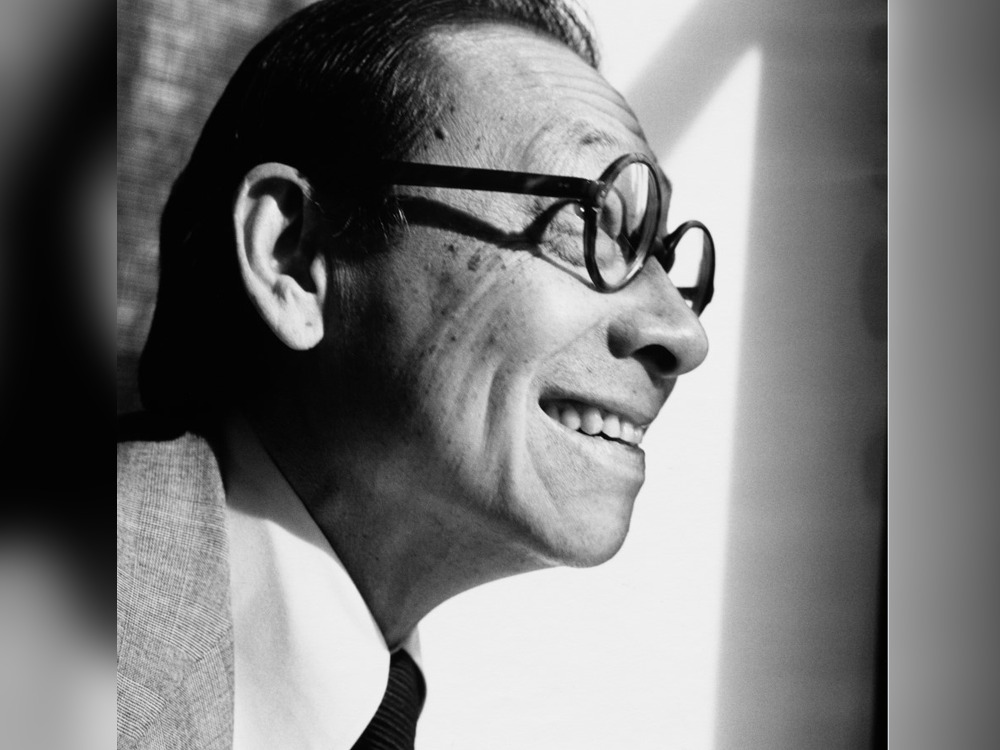
Portrait of I. M. Pei, 1976, Irving Penn, Vogue © Condé Nast
I. M. Pei: Life Is Architecture
On view until 14 February 2026
ALRIWAQ
Qatar Museums, in collaboration with M+, presents I. M. Pei: Life Is Architecture, the first full-scale retrospective of the architect Ieoh Ming Pei (1917-2019), whose renowned designs include the National Gallery of Art East Building in Washington, D.C., the modernisation of the Grand Louvre in Paris, the Bank of China Tower in Hong Kong, and Qatar’s Museum of Islamic Art.
These landmark projects solidified his legacy and position in architectural history and popular culture. His life and work weave together a tapestry of power dynamics, geopolitical complexities, and cultural traditions around the world.
Featuring drawings, sketches, models, and archival materials, the exhibition on view at ALRIWAQ explores Pei’s practice through six areas of focus that place his architectural projects in dialogue with social, cultural, and biographical trajectories, showing architecture and life to be inseparable.
I. M. Pei: Life Is Architecture was initiated by M+ and is curated by Shirley Surya, Curator, Design and Architecture, M+, and Aric Chen, currently the Director, Zaha Hadid Foundation, London.
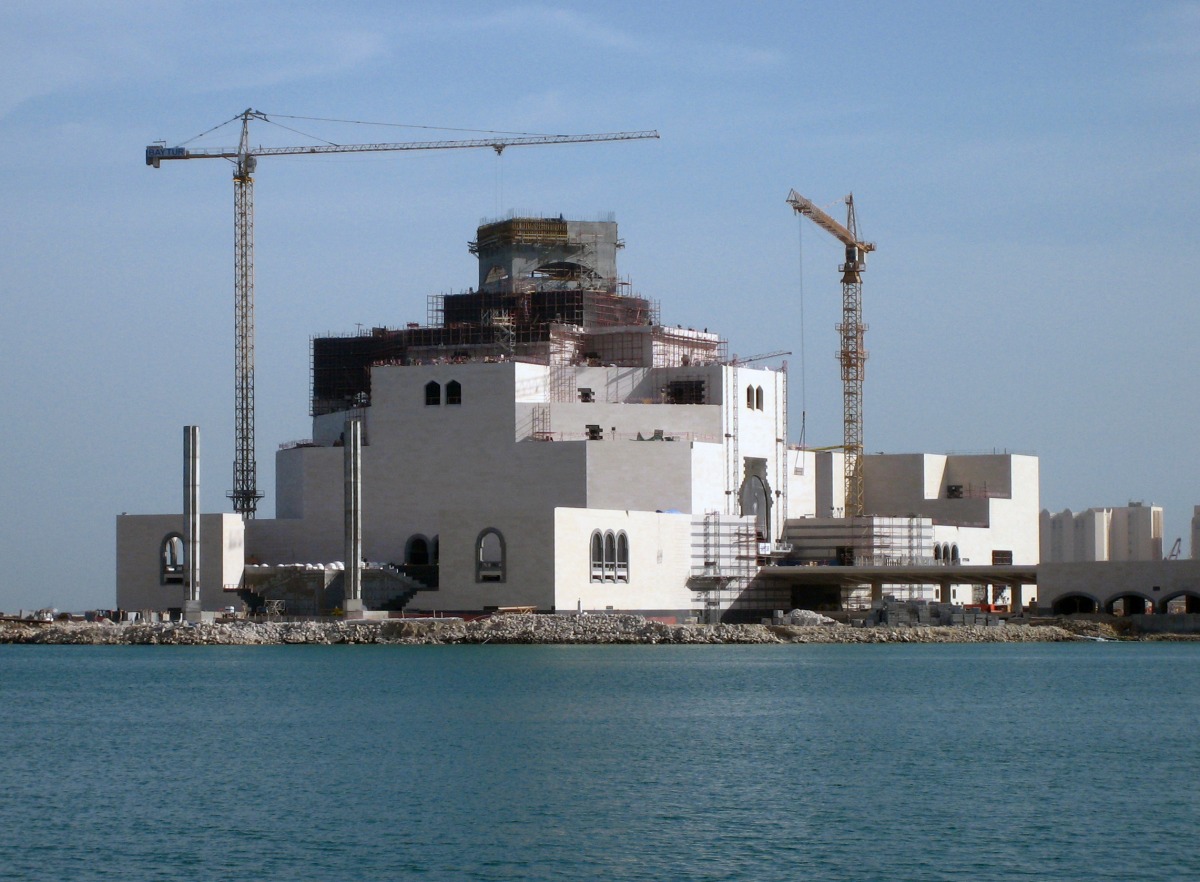
The Museum of Islamic Art by architect I. M. Pei under construction in Doha, Qatar, 2007 Photo © Fabian Servagnat
I. M. Pei and the Making of the Museum of Islamic Art: From Square to Octagon and Octagon to Circle
On view until 14 February 2026
Museum of Islamic Art
“What is Islamic architecture? What is the essence of Islamic architecture?” These were the questions posed by I. M. Pei when he was commissioned to design the Museum of Islamic Art in 1999.
I. M. Pei and the Making of the Museum of Islamic Art traces the architect’s process and vision behind this architectural masterpiece, revealing how this building became the cultural landmark that it is today.
This exhibition is jointly organised by the Museum of Islamic Art and the future Art Mill Museum. It is curated by Aurélien Lemonier, Art Mill Museum Curator of Architecture, Design and Gardens and Zahra Khan, Art Mill Museum Curator for Modern and Contemporary Art, in close collaboration with Dr Mounia Chekhab Abudaya, Museum of Islamic Art Deputy Director of Curatorial Affairs. This exhibition is organised in conjunction with I. M. Pei: Life is Architecture, on view simultaneously at ALRIWAQ.
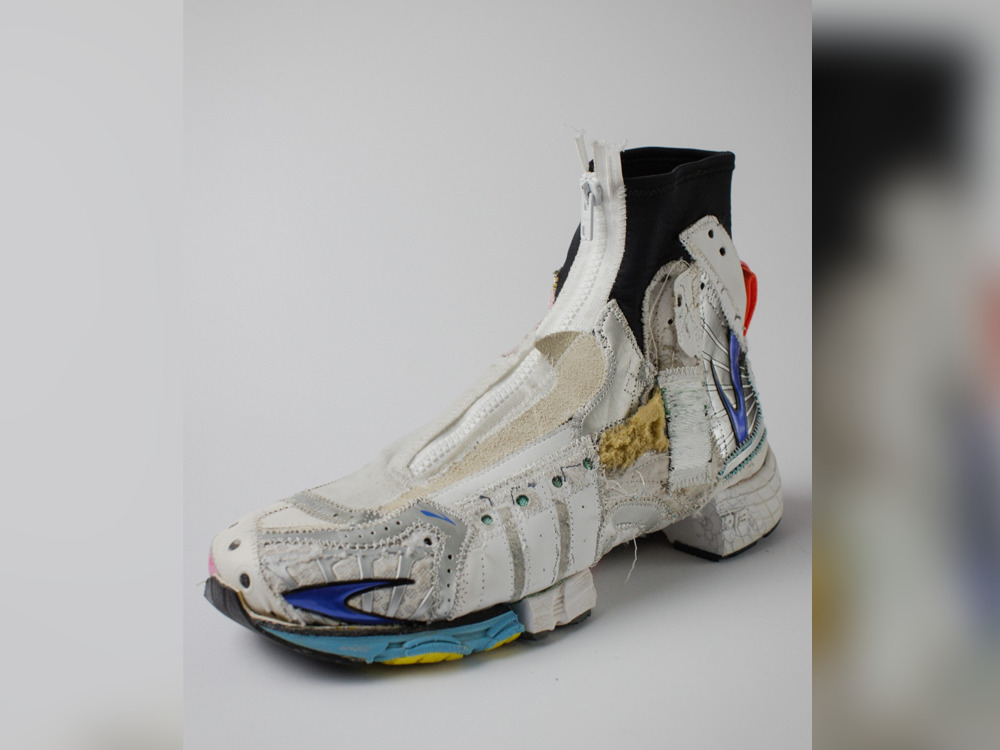
Image Credit: Photo © Rachel Dray
Sneakers Unboxed: Studio to Street
On view until 30 April 2026
3-2-1 Qatar Olympic and Sports Museum
Sports shoe, style statement and cult object—the sneaker is both an everyday item and a rare collectible. Presented at 3-2-1 Qatar Olympic and Sports Museum, Sneakers Unboxed: Studio to Street tells the story of sneakers through 500 objects, including over 200 pairs of sneakers alongside contextual images, film, and archival materials.
Charting the design and cultural histories of sneakers, this exhibition explores how these shoes, originally designed for athletic activities, have shaped a global industry. Sneakers Unboxed: Studio to Street is a touring exhibition from the Design Museum, London.
The Qatar-UK 2013 Year of Culture was a wide-ranging celebration of shared cultural ties between Qatar and the UK, the impact of which continues to produce exciting projects, including the collaboration with the Design Museum in London that is now bringing the Sneakers Unboxed: Studio to Street exhibition to Doha.
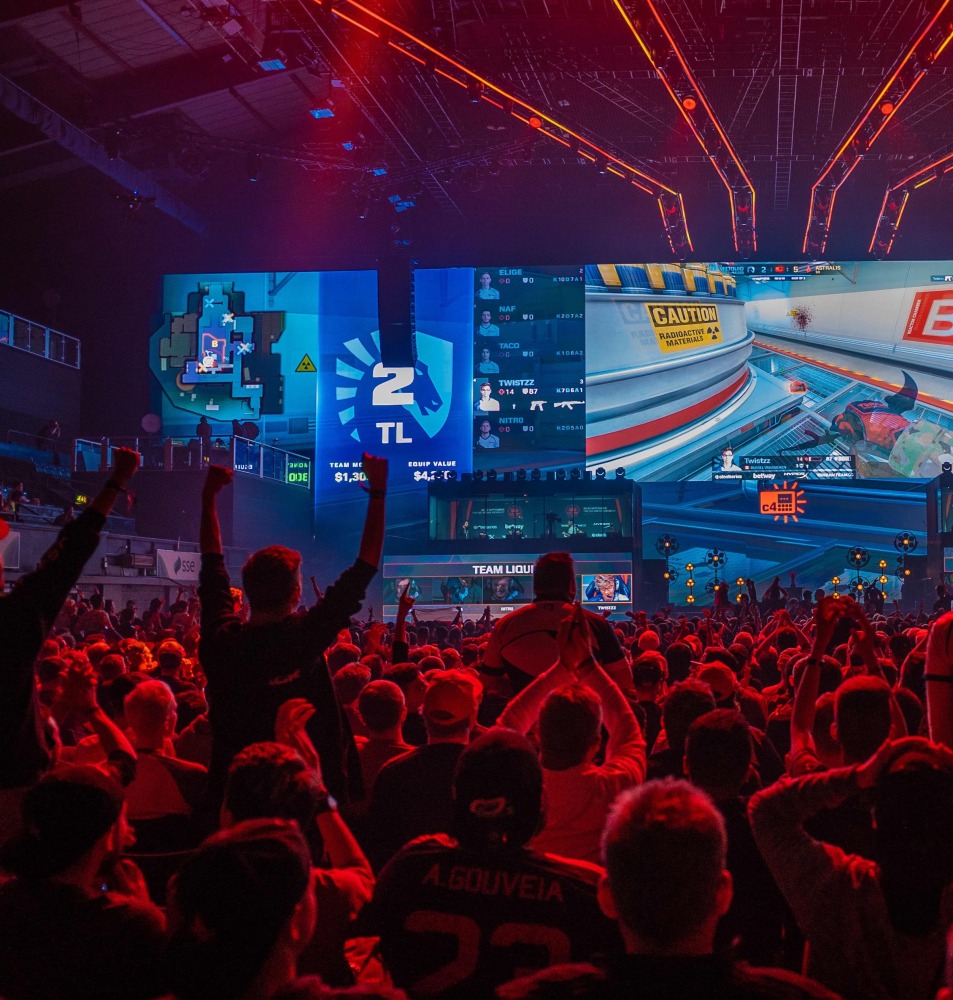
Image Credit: Photo © Being X
Esports | A Game Changer
On view until 30 April 2026
3-2-1 Qatar Olympic and Sports Museum
Organised by the 3-2-1 Qatar Olympic and Sports Museum, Esports | A Game Changer explores the evolution of esports from niche origins to mainstream mega-events, addressing socio-cultural challenges and forecasting its future. This exhibition is the first of its kind and seamlessly integrates digital kiosks and portals into an inspiring interactive experience for visitors. The exhibition was first presented during the 2024 Summer Olympics in Paris as part of Qatar Museums’ summer programme celebrating the legacy of Qatar-France 2020 Year of Culture.
Public Art Highlights
Images courtesy of Qatar Museums, © Qatar Museums 2026
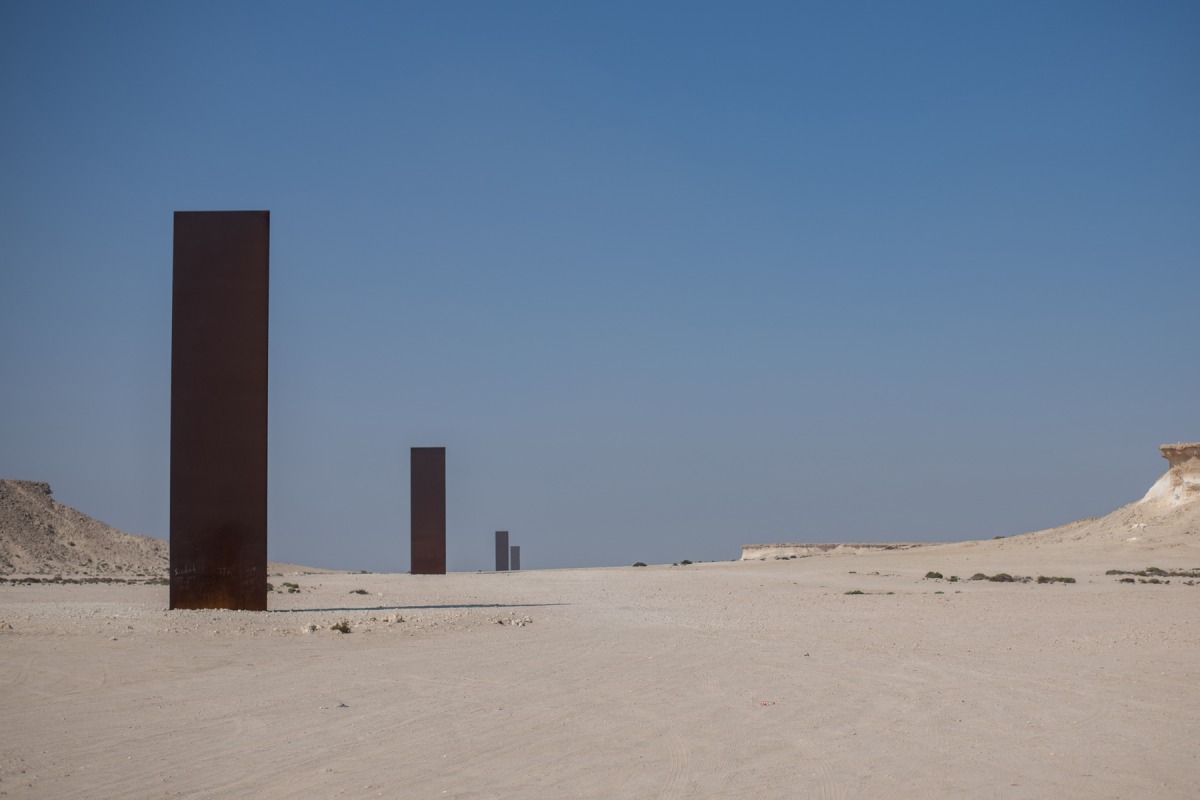
Richard Serra’s East-West/West-East
Permanent installation
Brouq Nature Reserve
Qatar Museums unveiled Richard Serra’s major landscape commission, East-West/West-East, in April 2014. Set in a natural corridor formed by gypsum plateaus, East-West/West-East spans over a kilometre in length, and crosses the peninsula of the Brouq Nature Reserve, connecting the waters of the Gulf. East-West/West-East consists of four steel plates measured by their relation to the topography. The plates, which rise to 14.7 meters and 16.7 meters above the ground, are level to each other; they are also level to the gypsum plateaus on either side. Despite the great distance that the plates span, all four can be seen and explored from either end of the sculpture. East-West/West-East is the second installation by the world-renowned artist Richard Serra; it follows the artist’s first public artwork in the Middle East, 7, which was installed in MIA Park in 2011.
Images courtesy of Qatar Museums, © Qatar Museums 2026.
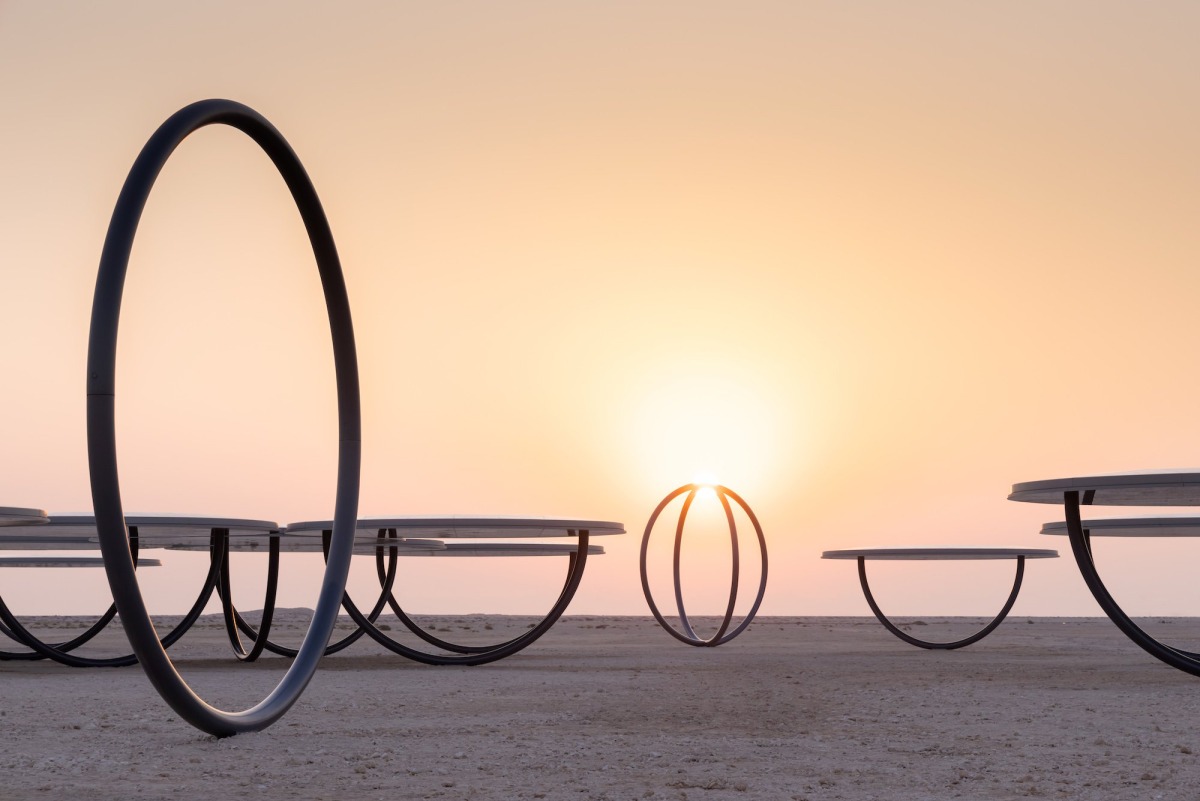
Olafur Eliasson’s Shadows Travelling on the Sea of the Day by Olafur Eliasson
Permanent installation
Al Zubarah
The twenty circular shelters, three single rings and two double rings that make up this site-specific artwork appear at first glance to be scattered about the desert landscape at random. They are, however, positioned according to the axes of a fivefold symmetrical pattern, with the ten shelters at the center forming a pentagram. The principles behind such patterns were recently discovered by mathematicians in the West although they may have informed some of the sophisticated designs found in Islamic cultures since medieval times.
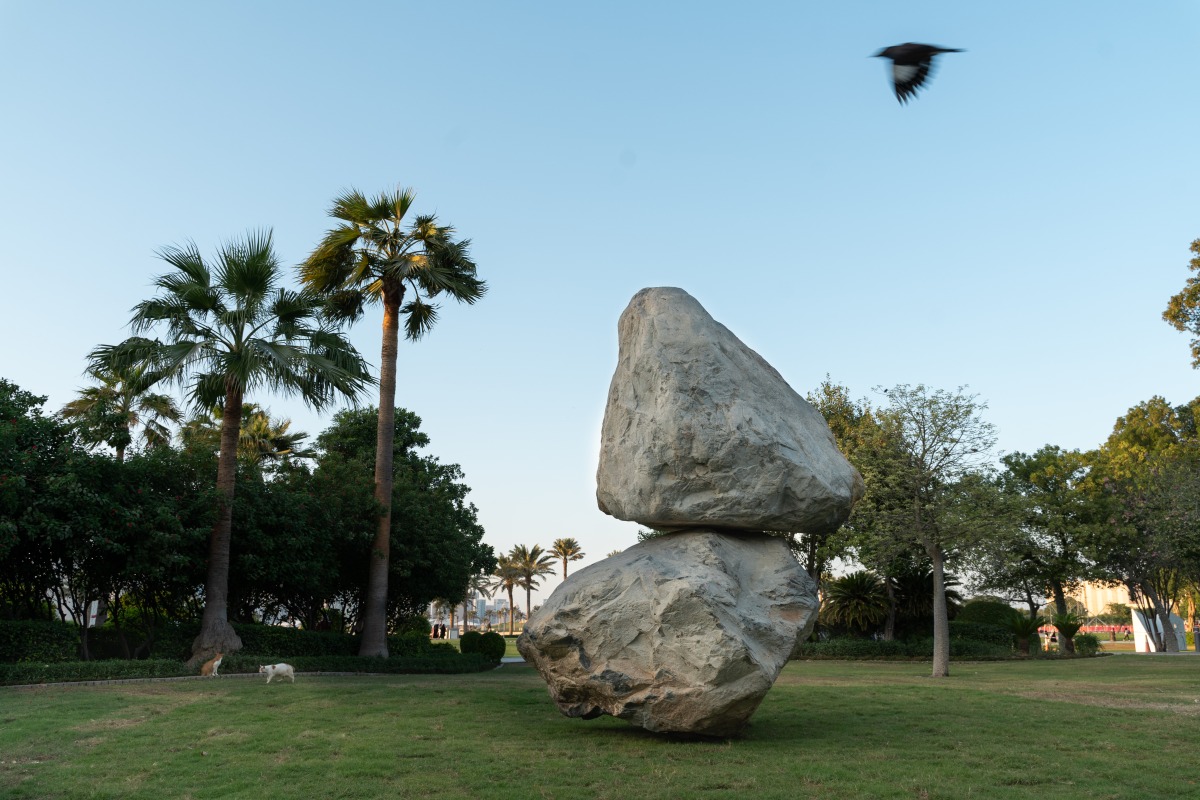
Image Caption: Fischli/Weiss, Rock on Top of Another Rock, © Adriane de Souza, 2025
Rock on Top of Another Rock
Permanent Installation
MIA Park
Positioned near the entrance to ALRIWAQ, Rock on Top of Another Rock by Peter Fischli & David Weiss introduces two massive granite boulders in seemingly precarious balance, with one resting atop the other. Standing approximately 5.5 metres (18 feet) high, the sculpture embodies a deceptively simple gesture that oscillates between the binaries of stability and instability, construction and destruction. First installed in London’s Kensington Gardens in 2013 as part of the Qatar-UK Year of Culture, its presence in Doha extends this cultural dialogue, showing how artistic exchange can bridge geographies and inspire reflection.