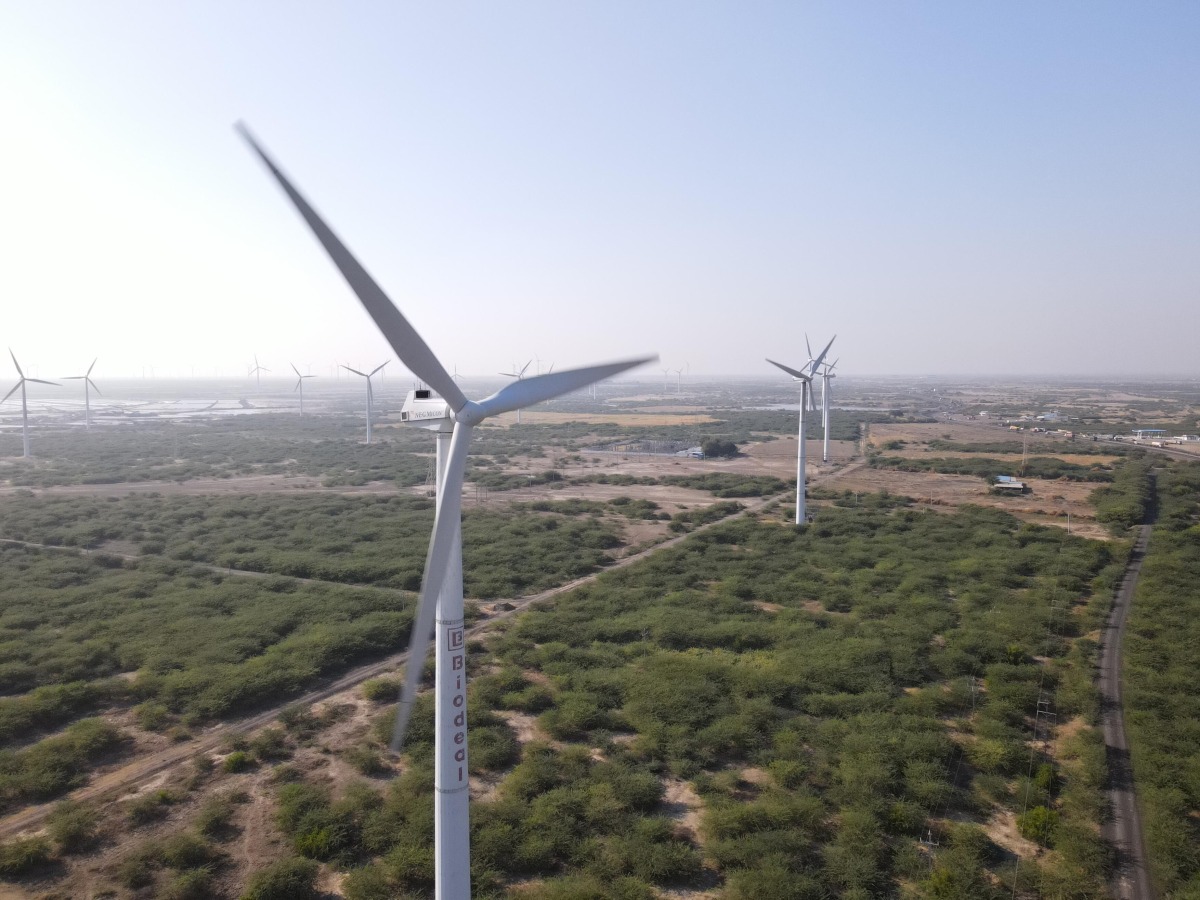
In 2021, Total became TotalEnergies with the ambition to become a major player in the energy transition, engaged towards getting to net-zero by 2050, together with society.
These efforts stem from a deeply held conviction that everyone on the planet has the right to have access to reliable, clean and affordable energy.
Therefore, TotalEnergies is transforming to provide tangible, sustainable solutions to the 21st century dual challenge: producing more energy with less emissions.
At the same time, thriving in the energy transition will require joint efforts and commitments from all parts of the society: companies, government, and consumers.
Since 2016, TotalEnergies is a member of the UN Global Compact supporting the 17 United Nations Sustainable Development Goals (SDGs). SDGs define a framework for addressing the global issues for the years until 2030.
Since then, TotalEnergies has placed sustainable development in all its dimensions at the heart of its strategy, projects and operations. Therefore, all its projects, plans and initiatives are looked at under an SDGs screen at all levels of the Company.
Our commitment to the SDGs is articulated around four dimensions that are Climate and Sustainable Energy, People’s Well-Being, Care for the Environment and Creating Shared Value. The aim is to create positive change for our communities and stakeholders.
Supporting the Development of Renewable Energies in Qatar

Al-Kharsaah, a landmark solar project and a new chapter for energy in Qatar, will see Phase 1 of the project completed by the summer of this year.
TotalEnergies is committed to the development of Al Kharsaah Solar PV Project, first utility scale solar power plant in the country, that will produce 800 MW of clean power. Over the life of the project, the plant is set to reduce Qatar’s CO2 emissions by 26 million tons.
Al Kharsaah is operated by Siraj 1, a consortium jointly owned at 60% by Siraj Energy which is a joint venture between QatarEnergy and QEWC (Qatar Electricity & Water Co), as well as at 20% by TotalEnergies and 20% by Marubeni. It covers 10 square kilometers (approximately 1,400 football fields), and will feature 2 million modules mounted on trackers. Substantial power gains will be enabled in this solar plant due to exceptional sunshine in this region.
The project will also apply the latest solar technologies, such as bi-facial panels to optimize space, automated systems for sun tracking, and robotic cleaning of solar panels for production efficiency and reduced operational expenses.
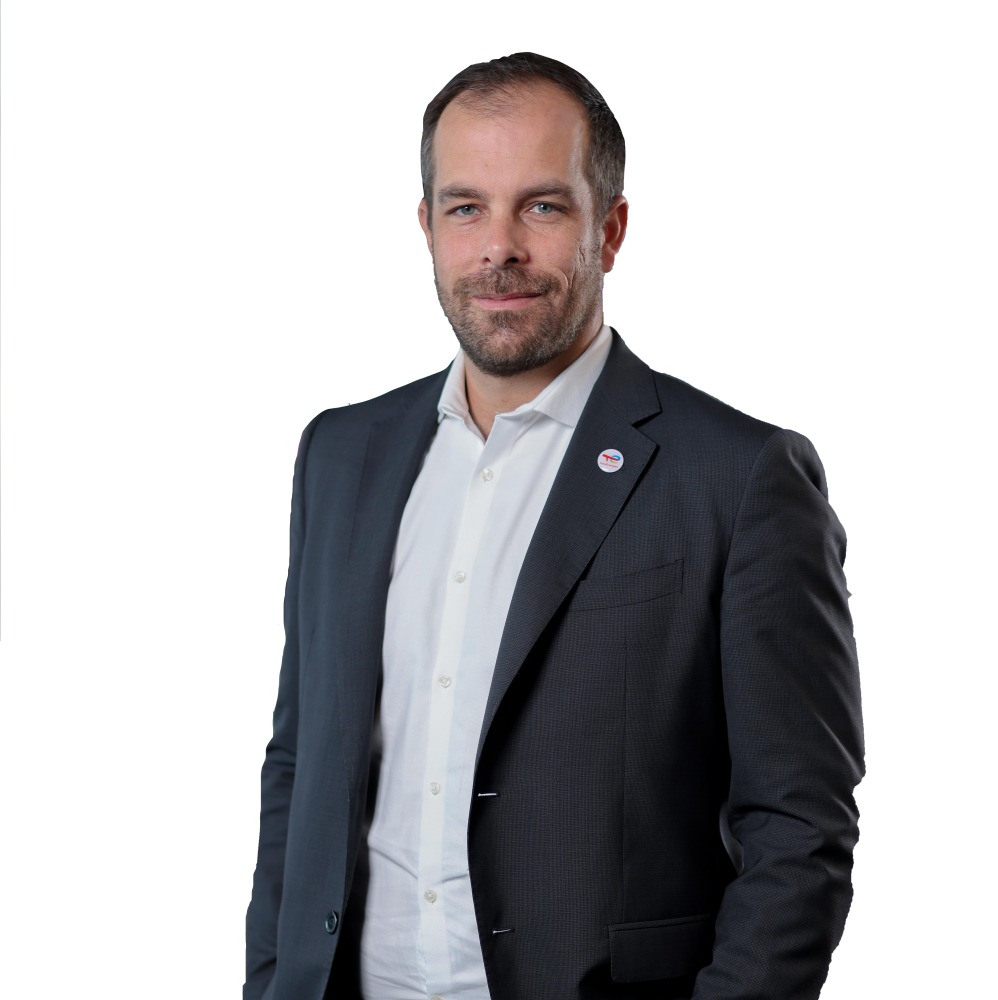
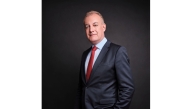
Matthieu Bouyer, Managing Director, TotalEnergies EP Qatar and Country Chair
“QatarEnergy’s role in the energy transition has been key as a producer and supplier of clean gas to its customers in Asia and Europe. In Qatar, its leadership has been instrumental to drive the renewable energy development of the country as it has recently raised the bar further with a new Sustainability Strategy targeting a solar capacity of over 5 GW by 2035. TotalEnergies, as a long term and trustful partner, has always been supportive and pioneering in Qatar with QatarEnergy on new energy developments.
The Al Kharsaah Solar PV project, one of the two utility-scale renewable projects that TotalEnergies is actively involved in, will contribute to reducing the carbon footprint during the World Cup 2022 and will represent around 10% of Qatar’s electricity peak demand. In parallel, we are proud to support QatarEnergy in the development of other large-scale solar plants.
As part of our transformation, TotalEnergies has the ambition to increase its energy portfolio based in particular on two pillars: LNG and renewables. By 2030, we are targeting a portfolio of 100 GW gross renewable capacity worldwide while becoming one of the global Top 5 producers of renewable energy," said Matthieu Bouyer, Managing Director TotalEnergies EP Qatar and Country Chair.