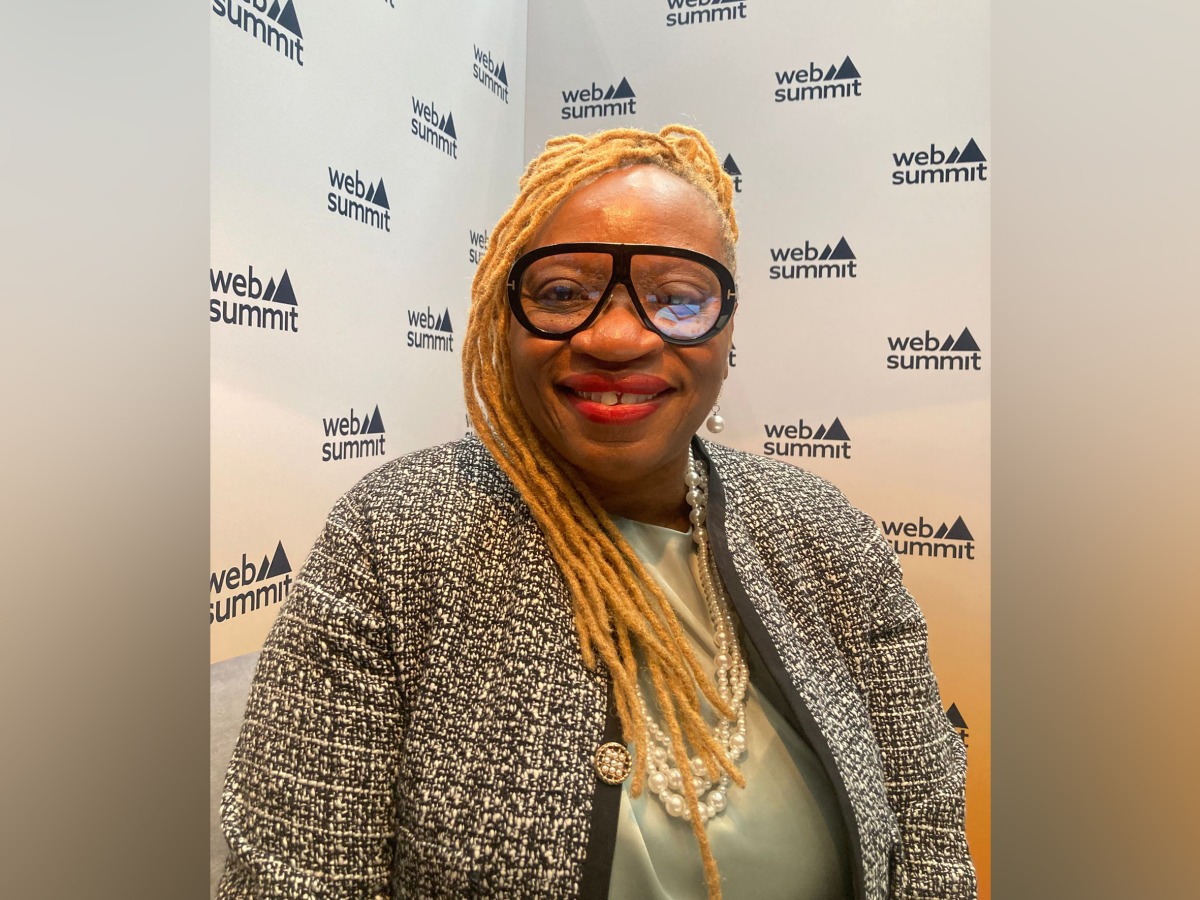
Founder of Lumo Hubs and African Women in Technology, Anie Akpe
Doha, Qatar: At Web Summit Qatar, founder of Lumo Hubs and African Women in Technology, Anie Akpe believes the conversation between Africa and the Middle East is shifting from aspiration to action.
According to Akpe, the key lies in intent and access. Speaking to The Peninsula on the sidelines of the Web Summit Qatar 2026, she said, “The important thing is that they are opening their doors and saying, ‘We are looking for opportunities in which we can help you strengthen and grow,”’ pointing to Qatar’s growing investment in digital infrastructure and emerging technologies.
As the country develops its own AI deployment and innovation ecosystems, Akpe believes it offers alternatives for African startups beyond traditional technology hubs. “It gives us options that we don’t just have to say go to China or even go to the US,” she said, adding that geographic proximity makes collaboration between the two regions more practical. “The opportunities to work together are actually much closer.”
Akpe stressed that technology partnerships must be backed by policy and public-sector commitment. “These regions need the support of a strong government system that deploys technology,” she said, explaining that such systems can then be adapted and applied more effectively across African markets.
Through Lumo Hubs and African Women in Technology, Akpe has spent more than a decade building innovation hubs that combine creative studios, vocational labs, AI-powered learning and digital pathways designed to create meaningful work at the community level.
Akpe played a hands-on role at Web Summit Qatar 2026, marking her second participation in the summit. She hosted a master’s class on using artificial intelligence to scale startups and moderated sessions on both the venture stage and the government stage. Reflecting on how Qatar compares to other Web Summit locations, she said the country’s relative youth as an innovation hub works in its favour.
“Qatar is newer, and I feel like the government here is really trying to grow startups, not just on a local basis, but on a regional and country basis as well,” she said. “The opportunities created here allow you to really see where the growth is, understand who supports that growth, and why you should position yourself to come launch a business in Qatar.”
Those factors were central to her decision to return. Akpe said her work increasingly extends beyond Africa and the diaspora, making Qatar’s outlook particularly relevant. “Qatar understands those nuances of change, and they are supporting startups to do it,” she said.
Her relationship with Qatar began in 2023, driven by curiosity. “I had never been to Qatar. I didn’t know anything about Qatar,” she recalled. “When I realised it was an opportunity for me to learn, I jumped on board. I wanted to see, I wanted to explore. I came and I fell in love with the country.”
As Web Summit Qatar 2026 concluded, Akpe says her expectations have evolved into outcomes. She described the event as a space to deepen learning, build meaningful networks and secure connections with investors. “We always think about what did we learn, how can we apply it, and have we met the connections we wanted to meet,” she said. “For anyone in startup mode, this is an opportunity, and I don’t take it lightly.”