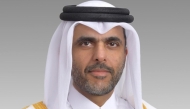
Dr. Anis Ben Brik
Amid rapid transformation, the book explores how Gulf families remain both anchors of heritage and agents of change, shaping the region’s social identity In the Arab Gulf States, the family has for centuries stood at the crossroads of continuity and change, creating a meeting point where deep-rooted traditions intersect with the realities of modern life. Within this intimate sphere, values are transmitted, identities are formed, and resilience is cultivated, positioning the family as a central pillar in understanding the Gulf’s evolving social landscape.
Although family structures are transforming in some Arab countries, the institution remains a defining feature of their societies and cultures. As one of the most significant structures in society, the family plays an outstanding role in shaping individuals through love, care, affection and mutual support, while providing both financial and emotional security.
* Significance of the book The newly published Handbook of Families in the Arab Gulf States captures this dynamic moment, offering a scholarly yet deeply human exploration of how Gulf families adapt, preserve, and innovate. To address this, the book incorporates studies of the Gulf Cooperation Council (GCC) states: Bahrain, Kuwait, Oman, Qatar, Saudi Arabia and the United Arab Emirates.
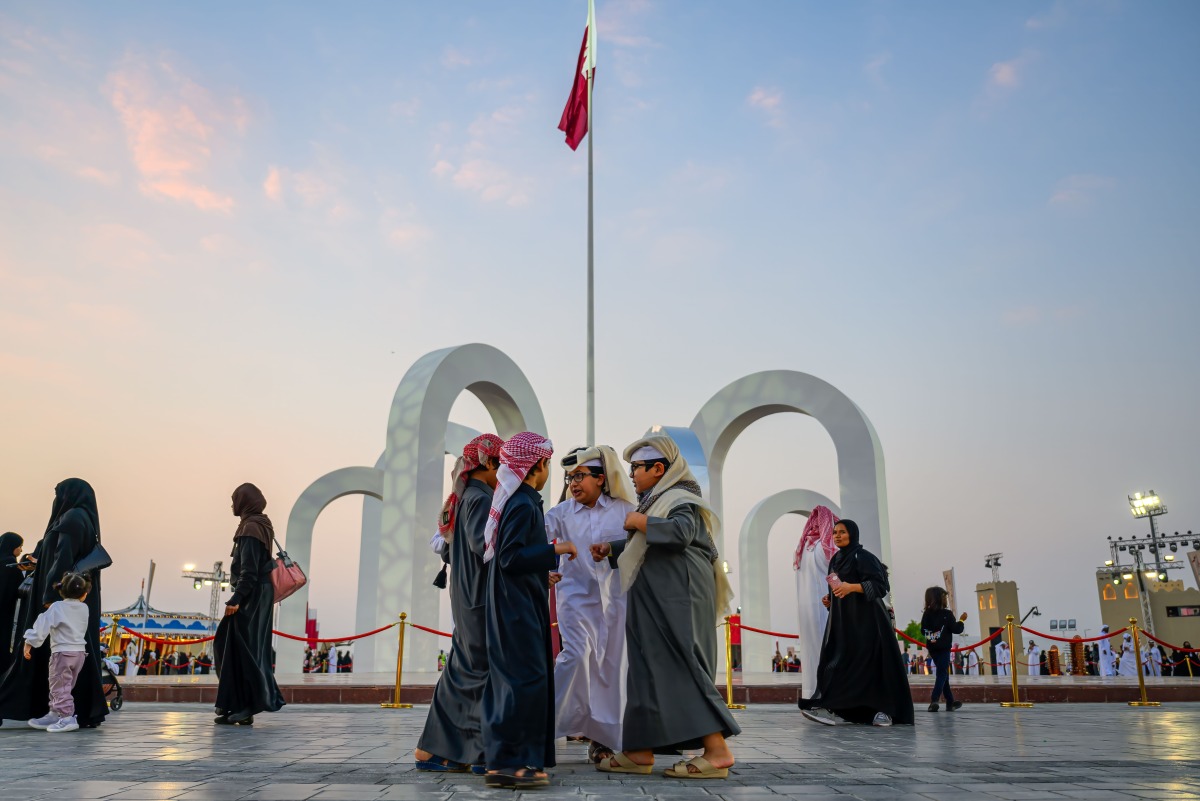
For Dr. Anis Ben Brik, Associate Professor and Founding Director of the Program for Social Policy Evaluation and Research (PROSPER) at the College of Public Policy, Hamad Bin Khalifa University (HBKU), the project reflects the lived experiences defining Gulf societies, from shifting gender roles and intergenerational expectations to the new meanings of kinship in an increasingly connected world.
“This handbook is significant because, as the editors argue, family is the cornerstone of Gulf societies,” stresses Dr. Brik, who was also part of the Gulf Studies series’s editorial board. “It is where history, politics, and culture are most visible. By tracing how families have shifted from extended to nuclear forms, as noted in the introduction, the book shows how social change in the Gulf mirrors wider transformations across the region.” * Impact of Expat Influx Gulf societies have been undergoing sweeping changes since the end of the 1970s. The discovery of oil and gas led to the deep integration of Gulf society in the international market. As a result, Gulf societies were exposed to the advent of ethnic, financial, technological, intellectual and ideological influences that have influenced the social and economic life of society, transforming the GCC into urban societies.
Additionally, the booming hydrocarbon industry has also facilitated the immigration of foreign workers to these countries. Their contributions to the job market have evolved from petty traders, oil company workers and clerical staff to doctors, engineers, management roles and other white-collar professionals. According to recent figures disclosed at the 11th Meeting of GCC Labor Undersecretaries, expatriates make up over 78% of the GCC workforce. As a result, many of these workers relocate with their families adding different cultures to the already existing structures. Hence, understanding modern family dynamics in the Gulf requires drawing on contributors from other parts of the world – a feat the book explores.
“One of the strengths of this book is the inclusion of contributors offering varied regional and disciplinary perspectives,” Dr. Anis notes. “As the introduction makes clear, it aims to bring voices from within the region and beyond. These varied perspectives helped situate Gulf families in global debates about family change, challenging stereotypes and universal assumptions while enriching the methodology and discussions.” * Tradition and modernity Over the last two decades, Gulf families have experienced a growing shift towards more popular trends, driven by technological advancement, educational progress, diverse patterns of emigration, globalization, changes in the status of women, economic shifts and urbanization. These changes have impacted traditional family roles, as well as norms and attitudes toward family life, influencing marriage practices, fertility rates, divorce, and shifting patterns of female labor force participation.
“Several chapters of the book highlight major changes such as smaller families, lower fertility, and the decline of the extended family. In the Qatari context, for example, one of the authors highlighted family size and the rising employment rate of women. Across the Gulf, divorce rates have increased, and intermarriage is more common. These shifts show just how rapidly family life has transformed in the past two decades.” Despite this, traditions and modernity continue to co-exist within the family context. In Qatar, Al-Ghanim’s chapter points to the persistence of consanguineous marriage as a deeply rooted practice, while other contributions note how urbanization and women’s education are reshaping gender roles. According to the chapter, the growing number of people moving to live in cities within contemporary Arab societies still doesn’t impact consanguineous marriage, which remains widespread in these communities. Studies show that this type of marriage is as common in cities as it is in rural areas. This pattern is estimated to make up 50% of marriages per year in some Arab countries.
“What I found most compelling, reflected in several chapters, is how enduring ‘traditional’ marriage remains,” Dr. Brik adds. “The book also shows that tradition and modernity live side by side, a reminder that tradition can persist even alongside rapid modernization. It paints a picture of the Gulf family as both resilient and adaptive.” * Technology and Social Media Technology has transformed how families live and communicate. Digital tools now shape interactions across generations, with social media standing out as one of the most powerful and disruptive influences, reshaping family dynamics. For the Gulf, its wealth has positioned it as one of the most connected areas not only in the Middle East, but globally. However, it also has to grapple with the social implications of constant connectivity.
“Technology emerges in the book as a double-edged sword,” Dr. Brik notes. “One chapter shows how social media and other platforms kept families connected during the pandemic, sustaining rituals and milestones. Yet the same technologies raise concerns over screen time, online safety, and the digital divide.” On the other hand, today’s Gulf youth are experiencing a cultural revolution of their own. More young people and women are finding new ways to uniquely express themselves and establish their own individual identities. According to Dr. Brik, another chapter highlights this trend, which explains how social media provides Gulf youth with new spaces for self-expression.
“These dynamics are now part of everyday family life,” Dr. Brik stresses.
* Future Challenges With the integration of contemporary elements into a long-established way of life, ensuring culture and tradition are safeguarded while adapting to modernization is paramount in the Gulf.
Looking forward, the book points to balance as the greatest challenge. The book highlights the risks of social media for younger generations and examines the pressures of ageing populations and smaller households. The book makes clear that Gulf families must find ways to preserve cultural cohesion while navigating digital and demographic change. In doing so, it reflects the strength of the family and its capacity to evolve without losing its roots.

Associate Professor and Founding Director of the Program for Social Policy Evaluation and Research (PROSPER) at the College of Public Policy, Hamad Bin Khalifa University (HBKU).