Dr. Mahfoud Amara
The relationship between the Gulf Cooperation Council (GCC) and Europe has undergone several phases and encountered numerous challenges.
This evolution began with the British occupation of the region and was further influenced by the presence of European companies following the discovery of oil. Diplomatic cooperation between Europe and the GCC has been primarily shaped by security concerns, arms trade, and energy supply, along with positions on Iran following the Iranian Revolution and the Arab-Israeli conflict during the 1960s and 1970s. With the transition from a bipolar to a multipolar world, Europe, and the EU, emerged as one partner among others, including Japan, South Korea, and the BRICS countries.
Sport, an area yet to be fully explored, has become a strategic pathway for the development of the region since the Second Gulf War, with direct investment and sponsorship of sports clubs, hosting international sports events, and investing in sports infrastructure to improve healthy lifestyles as well as develop opportunities for sports participation. While other sectors of partnership between the GCC and Europe have stagnated due to geopolitics and shifts in the global economy, sports present a fertile ground to strengthen this partnership.
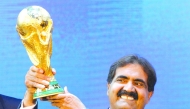
Although the ambitious sports projects of GCC countries have faced criticism from European media, as was evident during the 2022 FIFA World Cup in Qatar and continues with Saudi investment in sports, numerous European companies have benefited from the economic boom in sports within the region. This has opened opportunities for investment in constructing sports facilities, transferring knowledge in managing and securing major sports events, and providing sports science and elite sports development, with many Europeans choosing the GCC as their workplace.
State-of-the-art sports facilities in the GCC have become preferred destinations for European clubs for training and for athletes to recover from injuries, as evidenced by the sports medicine hospital ASPETAR in Qatar, which offers high-standard equipment and expertise. The sports economy in Europe has also benefited from significant investments from the GCC, including sponsorship of sports clubs (e.g., Qatar Airways sponsoring AS Roma), events and facilities (e.g., Emirates endorsing Arsenal Stadium), and direct ownership of football clubs (e.g., Newcastle, Manchester City, and Paris Saint-Germain), transforming these clubs into global entities with international fan bases. GCC investment in sports is further impacting grassroots sports development projects and urban regeneration of local communities in these cities.
Although sport is often considered to have low political significance and not seen as a serious domain for state politics or a subject of intense study by experts in political and security studies related to GCC-Europe relations, it can provide opportunities for cooperation between the GCC and Europe. Given Europe’s current reputational image in the region due to its stance on the conflict in Gaza and the rights of Palestine to statehood, sport, beyond its social, economic and commercial impact, can serve as a platform to sustain dialogue and cooperation.

Dr. Mahfoud Amara is an Associate Professor in Sport Social Sciences and Management at Qatar University.