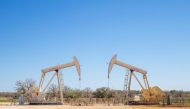
Vienna: Opec has agreed its first limit on oil output since 2008, sources in the producer group told Reuters, with Saudi Arabia accepting "a big hit" on its production and agreeing to arch-rival Iran freezing output at pre-sanctions levels.
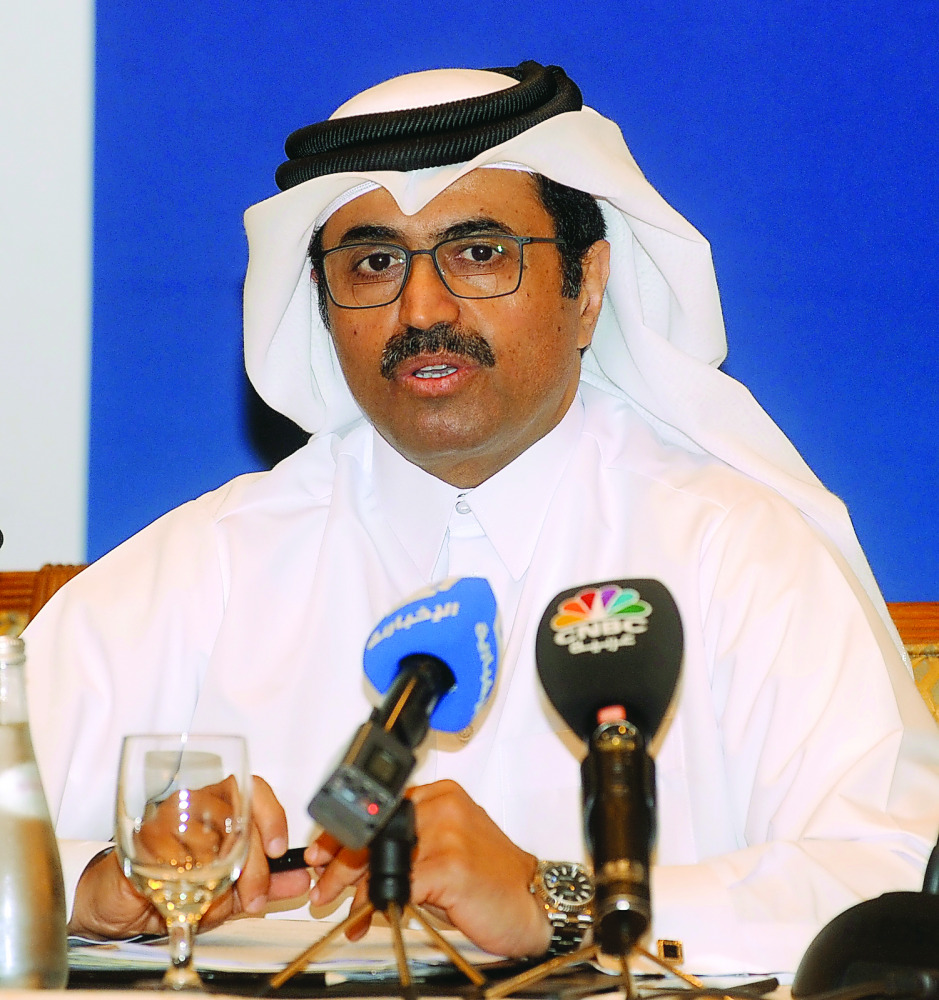
Opec President and Qatar's Minister of Energy and Industry H E Dr Mohammed bin Saleh Al Sada (pictured) said key non-Opec members had agreed to cuts of 600,000 bpd, of which Russia had committed to 300,000 bpd.
Brent crude futures jumped 8 percent to more than $50 a barrel after Riyadh signalled it had finally reached a compromise with Iran after insisting in recent weeks that Tehran fully participate in any cut.
The source said the Organisation of the Petroleum Exporting Countries had on Wednesday agreed on a proposal by member Algeria to reduce production by around 4.5 percent, or about 1.2 million barrels per day.
Saudi Arabia would contribute around 0.5 million bpd by reducing output to 10.06 million bpd, the source said, while Iran would freeze output at close to current levels of 3.797 million bpd and other members would also cut production.
The source added that OPEC had also suspended Indonesia from Opec and hence the exact combined reduction was yet to be calculated. The meeting was still ongoing after around six hours of debate.
"Opec has proved to the sceptics that it is not dead. The move will speed up market rebalancing and erosion of the global oil glut," said OPEC watcher Amrita Sen from Energy Aspects.
Before the meeting, Saudi Energy Minister Khalid al-Falih said Opec was indeed focusing on significant cuts and hoped Russia and other non-OPEC producers would contribute a reduction of another 0.6 million bpd. "It will mean that we (Saudi) take a big cut and a big hit from our current production and from our forecast for 2017," Falih said.