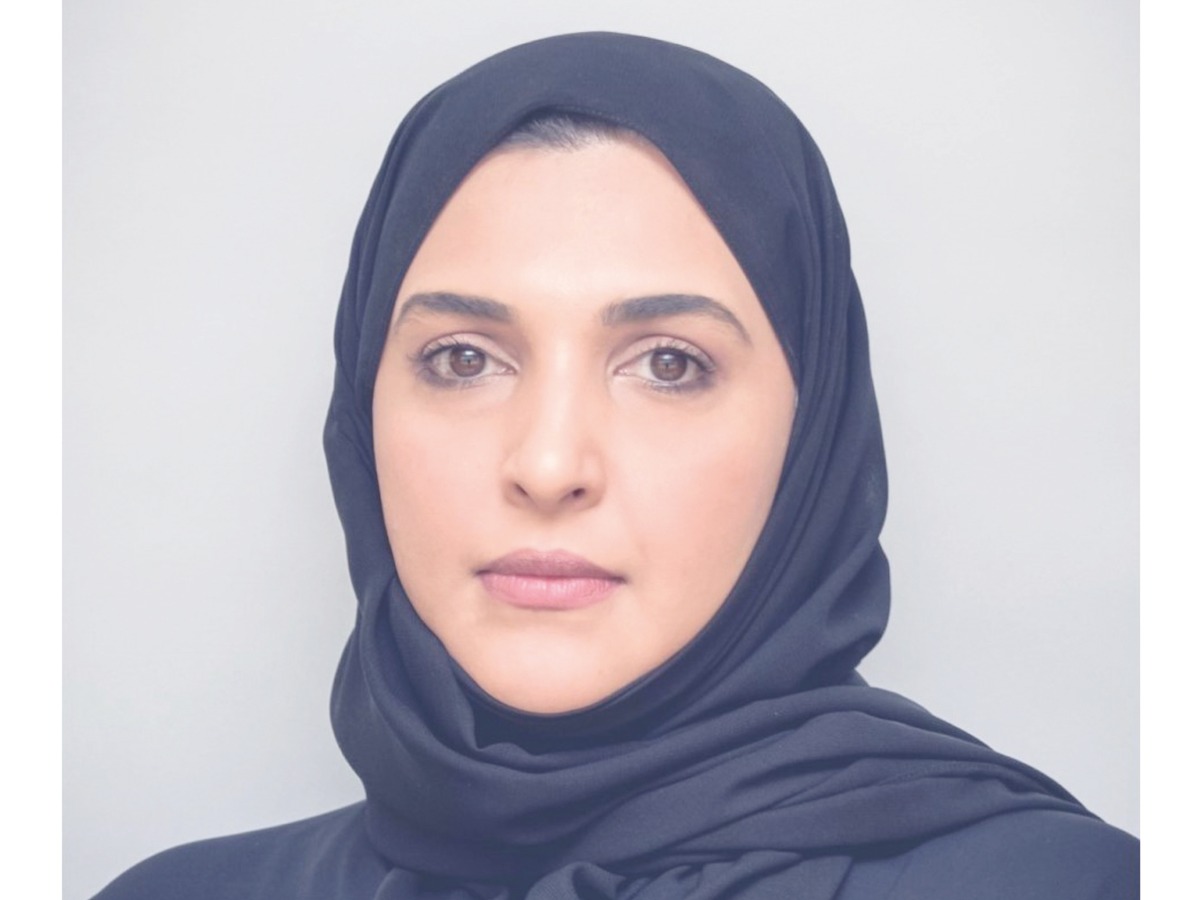
Chairperson of the Global Alliance of National Human Rights Institutions (GANHRI) and Chairperson of the National Human Rights Committee (NHRC) Maryam bint Abdullah Al Attiyah
New York: Chairperson of the Global Alliance of National Human Rights Institutions (GANHRI) and Chairperson of the National Human Rights Committee (NHRC) Maryam bint Abdullah Al Attiyah has underlined the unique role of national institutions and their significant contribution to promoting the implementation of the 2023 Agenda on the basis of rights and with a focus on people.
This came during a speech she delivered at the ongoing TriPartite Partnership meetings of the global alliance for human rights, the Office of the United Nations High Commissioner for Human Rights and the United Nations Development Program at the UN headquarters in New York, which discussed the role of national human rights institutions (NHRIs) in accelerating progress towards the sustainable development goals.
She described human rights institutions as the bridge between the state and the people, and the guarantor of hearing the voice of the masses and societies, and respecting and protecting their rights in all national development efforts and processes.
She noted that national institutions are also considered a bridge between the international and national systems, helping to ensure that the accurate provisions of international human rights norms and standards are translated into a lived reality for all people on the ground. Effective, inclusive and independent NHRIs represent the cornerstone of just and inclusive societies that can promote peace, security, human rights and sustainable development for all, she added.
She renewed her call to all countries to strengthen and protect existing NHRIs by providing them with adequate technical and financial resources as an effective means to promote the achievement of the 2030 Agenda. Al Attiyah said national institutions, as independent state institutions with a broad mandate in the field of human rights, are in a good position to link the different dimensions of the scope and vision of the 2030 Agenda and to link the seventeen goals with the overarching call of leaving no one behind and leading advocacy efforts to make the plan a success in working for the benefit of people everywhere.
Thanks to the extensive experience of NHRIs in the field of human rights and their unique roles in monitoring and reporting, especially in dealing with emergency crises and natural and humanitarian disasters. She added that NHRIs are critical actors that provide an independent, reliable and evidence-based assessment of the progress made by states as well as identifying areas that are lacking.
Al Attiyah said that the UN General Assembly had recognised and even welcomed the crucial role of NHRIs in its historic resolution on NHRIs which was adopted unanimously in December 2021, in which it calls on the Economic and Social Council and its subsidiary bodies as well as the high-level political forum and sustainable development goals summit to expand the space of NHRIs.
So far, only 88 of the 193 member states have established a national human rights institution in line with the Paris Principles. This is a challenge that we must give appropriate consideration in the list of challenges facing these institutions, she noted. She added that despite the progress that has been made since 2015, accelerated efforts must be made to ensure that all countries meet the indicator of NHRIs stipulated in the sixteenth goal of sustainable development goals by 2030, so that all people in all countries of the world can benefit from a strong and independent national institution that promotes and protects their human rights.