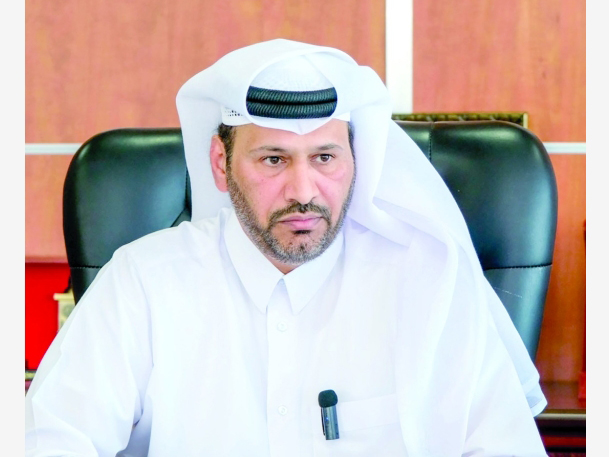
Director of the Hajj and Umrah Affairs Department Ali bin Sultan Al Misifri
Doha: The Ministry of Awqaf and Islamic Affairs has announced the completion of all preparations for the 2026 Hajj season, affirming its readiness to deliver an integrated package of services to Qatari pilgrims in a safe, organized, and spiritually enriching environment.
Director of the Hajj and Umrah Affairs Department Ali bin Sultan Al Misifri said preparations began early under the directives of the Minister, with close follow-up to ensure full readiness across all organisational and service aspects.
He noted that the ministry’s comprehensive plan focused on enhancing procedures, strengthening digital systems, and intensifying coordination with relevant entities inside and outside Qatar to elevate the overall pilgrimage experience from registration through safe return.
Al Misifri revealed that Qatar’s approved Hajj quota for the 2026 season stands at 4,400 pilgrims. More than 10,000 applications were submitted through the electronic system, with a transparent selection process conducted in early December 2025. Accepted applicants were notified via SMS to proceed with registration through one of 18 approved Hajj campaigns.
He emphasized that these licensed campaigns serve as key partners in delivering services, including accommodation, catering, transportation, and administrative and medical care, from departure at Hamad International Airport to the completion of rituals and return to Qatar. The ministry has also held intensive coordination meetings with campaign operators to ensure unified efforts and high-quality service delivery.
To safeguard pilgrims’ rights, the ministry has introduced a standardized contract governing the relationship between pilgrims and campaigns, detailing services and ensuring transparency and legal clarity. On coordination with Saudi Arabia, Al Misifri highlighted multiple field visits conducted in cooperation with the Saudi Ministry of Hajj and Umrah and relevant authorities. These included inspections of accommodation and facilities in Mina and Arafat, as well as the approval of housing arrangements for Qatari pilgrims, ensuring compliance with approved standards and the highest levels of comfort and safety. He also stressed the importance of obtaining a medical fitness certificate this season, a requirement endorsed by Saudi authorities to ensure pilgrims’ health and ability to perform rituals safely, while minimizing health risks.
The ministry has further enhanced its electronic services, streamlining registration and payment processes to improve efficiency and accessibility. A dedicated hotline (132) has been set up to handle inquiries and provide assistance through a specialized support team.
Al Misifri urged all pilgrims to adhere strictly to official regulations, underscoring that “no Hajj is permitted without a valid permit,” in line with Saudi guidelines.
He concluded by reaffirming the ministry’s commitment to serving Qatari pilgrims and facilitating the performance of Hajj rituals in a safe and well-organized environment, expressing hopes for their safe return and an accepted pilgrimage.