By Satish Kanady
DOHA: The density of shipping traffic in the ROPME Sea Area increased heavily over the past one decade. The ship traffic entering the regional waters was less than 18,000 in 1999. The number ships passing through the waters has jumped to 47,658 in 2014. Of this, 32,635 are tankers.
The ROPME (Regional Organisation for the Protection of the Marine Environment) Sea Area covers eight states that joined forces in 1978 to adopt the Kuwait Regional Convention for Cooperation on the Protection of the Marine Environment from Pollution, otherwise known as the Kuwait Convention and four associated Protocols. Located in the northwest corner of the Indian Ocean, this region is known for its oil production. The area holds 64 percent of the world’s oil reserves.
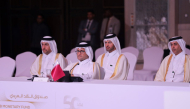
Disclosing the figures at the 9th Oil Spill Response Officers and the 3rd meeting of First Master Plan Committee Meeting concluded here yesterday, Captain A M Al Janahi, MEMAC (Marine Emergency Mutual Aid Centre) Director stressed the burgeoning volume of visiting ships in the regional waters demands the urgent need for taking precautionary actions to protect the marine environment.
Dominated transportation of oil and gas products, the ROPME Sea Area is one of the busiest maritime areas in the world, noted International Maritime Organisation (IMO) document noted. With steadily increasing tendency, up to 50,000 ships transit the Strait of Hormuz annually, of which one third are tanker vessels. The high density of ship traffic is demonstrated by more than 69,000 port calls at regional ports and terminals per year, resulting in severe impacts on marine ecosystems and the environment at large, and on maritime safety.The Peninsula
By Satish Kanady
DOHA: The density of shipping traffic in the ROPME Sea Area increased heavily over the past one decade. The ship traffic entering the regional waters was less than 18,000 in 1999. The number ships passing through the waters has jumped to 47,658 in 2014. Of this, 32,635 are tankers.
The ROPME (Regional Organisation for the Protection of the Marine Environment) Sea Area covers eight states that joined forces in 1978 to adopt the Kuwait Regional Convention for Cooperation on the Protection of the Marine Environment from Pollution, otherwise known as the Kuwait Convention and four associated Protocols. Located in the northwest corner of the Indian Ocean, this region is known for its oil production. The area holds 64 percent of the world’s oil reserves.
Disclosing the figures at the 9th Oil Spill Response Officers and the 3rd meeting of First Master Plan Committee Meeting concluded here yesterday, Captain A M Al Janahi, MEMAC (Marine Emergency Mutual Aid Centre) Director stressed the burgeoning volume of visiting ships in the regional waters demands the urgent need for taking precautionary actions to protect the marine environment.
Dominated transportation of oil and gas products, the ROPME Sea Area is one of the busiest maritime areas in the world, noted International Maritime Organisation (IMO) document noted. With steadily increasing tendency, up to 50,000 ships transit the Strait of Hormuz annually, of which one third are tanker vessels. The high density of ship traffic is demonstrated by more than 69,000 port calls at regional ports and terminals per year, resulting in severe impacts on marine ecosystems and the environment at large, and on maritime safety.The Peninsula