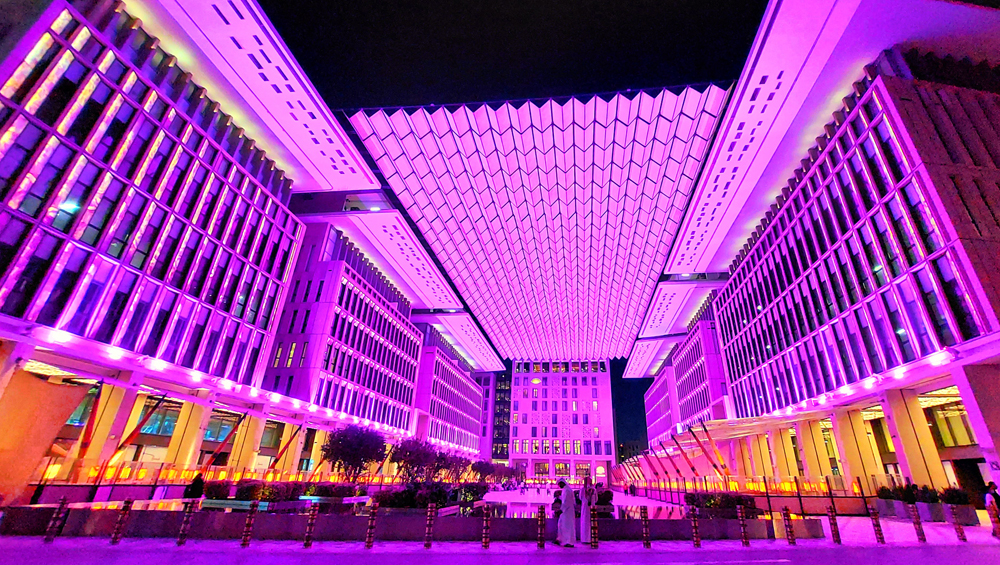
The city of Msheireb, the heart of Doha, is emerging as an exceptional cultural and economic project, and an innovative idea in Qatar found to revive the old center of the capital, Doha, in a way that combines the concepts of architecture that were prevalent in Qatars past, with modernity to characterize the urban development that the country is witnessing, considering the availability of the elements of sustainability. This project contributed to reviving and renovating the old commercial district in Doha in a modern architectural style and transforming it into a developed area rich in cultural scenes Msheireb, the heart of Doha, embodies a new birth for downtown Doha. In addition to preserving the traditional architectural heritage, it adopts the latest principles of progress and innovation to reflect the true legacy of the State of Qatar.
The smart sustainable city district succeeded in enlivening the city center to attract residents to live, work, shop, spend time with family and friends, and then turn into one of the favorite tourist destinations in Qatar thanks to its advanced and diversified facilities. Msheireb, the heart of Doha, will be a great destination for fans of the FIFA World Cup Qatar 2022, where they will find an exceptional atmosphere for entertainment, shopping, learning about ancient Qatari architecture and its evolution in the modern era, as well as drawing inspiration from different creative and cultural experiences in Qatar.
Barahat Msheireb includes nearly 100 buildings that are cultural, commercial, and residential, in addition to entertainment venues, four hotels, and retail stores. Msheireb Downtown Doha has four museums that celebrate the ancient history of Qatar through four restored heritage houses and transforming them into world-class museums; They are: Bin Jelmood House, Company House, Mohammed Bin Jassim House, and Radwani House with carefully selected materials were used in their construction to preserve the spirit of the original buildings and their construction methods. In each of the four houses, the visitor finds himself in front of several scenes that show the traditional way of living, the lives of people in the past, and the relations and good neighborliness that bound them.
The Bin Jelmood House carries an awareness message to combat the manifestations of slavery worldwide, where the house reviews the issue of slavery and the multiple social, cultural, and economic contributions made by laves to the development of human civilizations. Through the corridors of this house, the visitor explores how the manifestations of slavery have spread in civilizations over thousands of years, and learns about the role played by Islam and its impact on the system of slavery and its urging to liberate slaves.
The Bin Jelmoud House also provides an opportunity for visitors to express their commitment to combating human trafficking in its various manifestations. As for the House of Mohammed Bin Jassim, which was built by the son of the founder of the modern State of Qatar Sheikh Mohammed bin Jassim Al Thani, the house allows the visitor to coexist with stories from the past and the present.The house includes part of the Echo Memory Art Project, discovered during excavations at the site, and tells the story of the birth of the historic heart of Doha.
This house also reveals to us the harsh daily working conditions of those pioneers who worked hard under the blazing sun while their faces were filled with a smile that overcame the hardship and hardship of life.