Doha, Qatar: The Ministry of Awqaf and Islamic Affairs has reported a significant expansion in its da’wah (religious outreach) ecosystem in 2025, underscoring its growing role in strengthening societal values, promoting intellectual security, and supporting family cohesion across Qatar.
According to the ministry’s annual performance indicators, the da’wah system delivered wide-ranging programmes, field activities, and targeted religious discourse addressing contemporary issues, alongside extensive community partnerships.
The figures reflect the scale of outreach achieved during the year. A total of 111,946 sermons and religious lessons were delivered in mosques nationwide, complemented by more than 7,200 public lectures and outreach activities, benefiting over 520,000 people.
Women’s engagement remained a key priority, with 2,075 dedicated programmes and activities reaching around 111,000 beneficiaries. Additionally, 3,325 educational lectures and programmes were conducted for students enrolled in Quran learning centres, benefiting thousands of participants.
Quran education continued to expand, with approximately 22,400 male and female students enrolled in Quran memorisation circles across the country, while 7,850 children benefited from foundational Arabic literacy lessons.
The ministry also strengthened its institutional outreach, conducting 32,333 visits to government entities, benefiting over 63,000 individuals, and delivering 1,800 lectures in correctional institutions and community service centres. In the education sector, 780 school lectures were held in collaboration with the Ministry of Education and Higher Education, reaching more than 28,000 students.
As part of its structured knowledge programmes, the ministry delivered 3,334 scientific lessons under the “Ta’seel wa Tahseel” initiative, targeting both beginner and advanced students of Islamic sciences. It also organised eight Quranic and religious competitions, attracting nearly 34,900 participants.
In the field of religious edicts (fatwa), 10 specialised training courses were conducted for muftis, while the number of digital and telephone fatwas issued during the year reached 219,000.
Da’wah programmes in 2025 focused on key societal priorities, including promoting moral and ethical values, strengthening family cohesion, protecting youth, reinforcing national identity and encouraging citizenship and social responsibility.
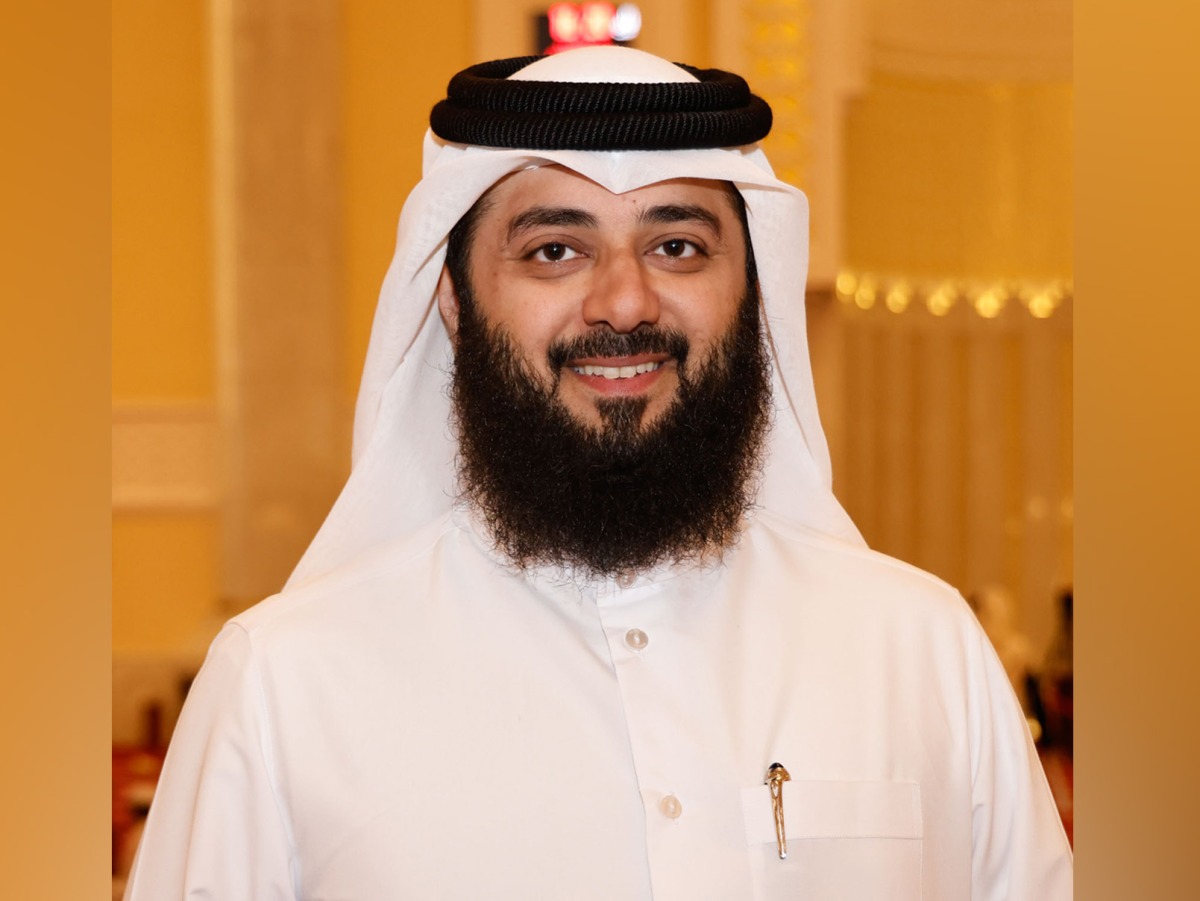
Director of Department of Da’wah and Religious Guidance Jassim bin Abdullah Al Ali, said the achievements reflect the ministry’s vision of delivering a comprehensive and balanced Islamic message tailored to diverse segments of society.
The ministry’s scholarship programme at the Religious Institute continued to attract international students, with 178 students from 36 countries enrolled in 2025. The initiative reflects Qatar’s commitment to supporting Islamic education globally and preparing a new generation of scholars who promote moderation and balanced thought.
The Islamic network IslamWeb maintained its global leadership as a trusted source of Islamic knowledge. The platform underwent major technical and content upgrades in 2025, including the launch of the innovative “FatwaTok” service, designed to deliver religious rulings in a modern, user-friendly format, particularly appealing to younger audiences.
IslamWeb now hosts approximately 6.4 million pages, over 287,000 fatwas, and 252,000 consultations across multiple languages. In 2025 alone, the platform recorded more than 165 million users, 329 million visits, and 466 million page views, reinforcing its position as one of the world’s largest digital Islamic knowledge platforms.