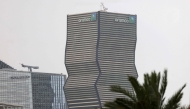
Qatar real estate market will remain tenant friendly as rentals across the three major asset segments, namely commercial office, residential and retail experience downward price corrections, according to KPMG’s latest updates on ‘Real Estate Index’.
Anurag Gupta, Director and Head of Real Estate at KPMG in Qatar said: “Over the past two quarters, we have witnessed long term initiatives from the Government to induce further growth in the economy. Introducing initiatives such as 100 percent foreign ownership across various sectors with no capital flow restrictions and negligible taxes, expanding the coverage of foreign ownership in real estate are expected to help market stabilize and grow fundamentally.”
The latest KPMG Qatar Real estate Rental Index showed that vacancy rate along the major commercial districts of Doha could increase as new supply comes online and demand continues to remain subdued. However, the initial two quarters of 2019 witnessed a marginal drop of 2 percent in the rental index compared to 5 percent during the last two quarters of 2018. This is because a significant number of landlords are not bringing down the rentals as it becomes unviable to provide quality space at lower prices.
In the residential market the initial two quarters of 2019 witnessed a drop of 3.6 percent on the rental index compared to 4.5 percent during the last two quarters of 2018, mostly led by the villa category (catering to middle and affordable segments) experiencing a drop in the rental index by approximately 8 percent. The apartment segment witnessed a decline of approximately 6 percent during H1 2019.
Qatar’s retail market maintained stable for more than a year, however mall rentals have started to feel the heat particularly in Q3 and Q4 2018. It experienced a 2 percent decline in the rental index and this is reflective of the increased supply along with growing vacancy in the market. This decline has resulted in many anchor tenants negotiating lease terms and signing better deals as the competition in this sector intensifies.
Turnkey developments, particularly smaller suites and serviced office space are witnessing an uptick in demand as they become more affordable and many businesses can be seen relocating in search of better deals. Going forward, with the government introducing initiatives such as 100 percent FDI in several sectors, we expect demand for office space, especially the smaller suites to strengthen over the short to middle term.
Many tenants can be seen negotiating further on the lease terms, particularly for ‘bare shell and core’ office space. This has resulted in owners agreeing to provide fit-outs based on the tenant’s requirement, but on the key understanding that the tenant guarantees a set lock-in period. Such discussions were observed primarily for large space commitments.
On the future opportunities for real estate sector, Gupta concluded; “Central Bank reaffirming normalized capital flows, a healthy liquidity position in the banking sector, high foreign capital reserves and steady growth in private sector may have a positive impact on the real estate sector in the upcoming quarter.”