PIC: X / Unesco
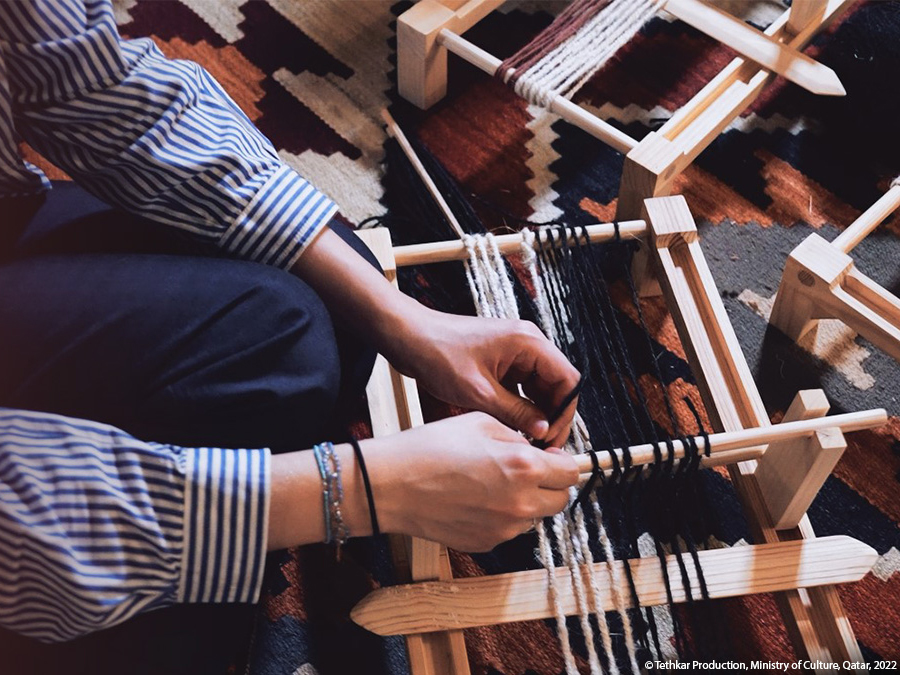
New Delhi: The Ministry of Culture (MoC) has announced the inscription of the art of ‘Sadu Weaving’ on the United Nations Educational, Scientific and Cultural Organization (Unesco) Representative List of the Intangible Cultural Heritage of Humanity for 2025, in partnership with the State of Kuwait and the Kingdom of Saudi Arabia.
This inscription-approved during the 20th session of the Intergovernmental Committee for the Safeguarding of the Intangible Cultural Heritage, held in the Indian capital,
New Delhi-marks a significant milestone in preserving Gulf cultural heritage and strengthening the presence of traditional elements that have shaped Bedouin identity throughout history.
The inclusion of sadu on the Intangible Heritage List reflects international recognition of its cultural and intellectual value.
It also reaffirms the efforts of the State of Qatar and the Ministry of Culture in safeguarding this art from decline amid contemporary transformations and the rise of industrial alternatives that threaten the continuity of traditional practices.
This achievement supports pathways for education, documentation, and intergenerational knowledge transmission through national and regional programs, training workshops, specialized exhibitions, and research initiatives dedicated to studying this art as an element rich in aesthetic, anthropological, and social dimensions. It also elevates the global recognition of craftspeople and opens new opportunities to integrate sadu products into modern creative industries.
The Ministry of Culture emphasized that the inscription of sadu on Unesco’s list is both a documentation milestone and a means to enhance community awareness of the value of intangible heritage, ensuring the sustainability of traditional practices that form an essential part of Gulf cultural identity.
The Ministry also stressed the continued cooperation with partner states and relevant cultural institutions to preserve this ancient art and ensure its vitality across generations.