Doha: Aspetar, one of the leading sports medicine hospitals globally, recently introduced a Cooled Radiofrequency (C-RF) treatment, an innovative option for helping resolve joint and spinal pain conditions.
Cooled Radiofrequency is a minimally invasive treatment option targeting nerves that transmit pain signals. It can bring non-surgical relief to those suffering from chronic pain in some cases resulting from surgery, trauma, or osteoarthritis.
Consultant Pain Management at Aspetar Dr. Yasin S AlMakadma, said: “Radiofrequency (RF) treatment procedures consist of applying a strong, high-frequency electromagnetic field at a specific nerve target. The Cooled variant uses a minimal current of water to keep the temperature stable and better controlled around the electrode’s tip.
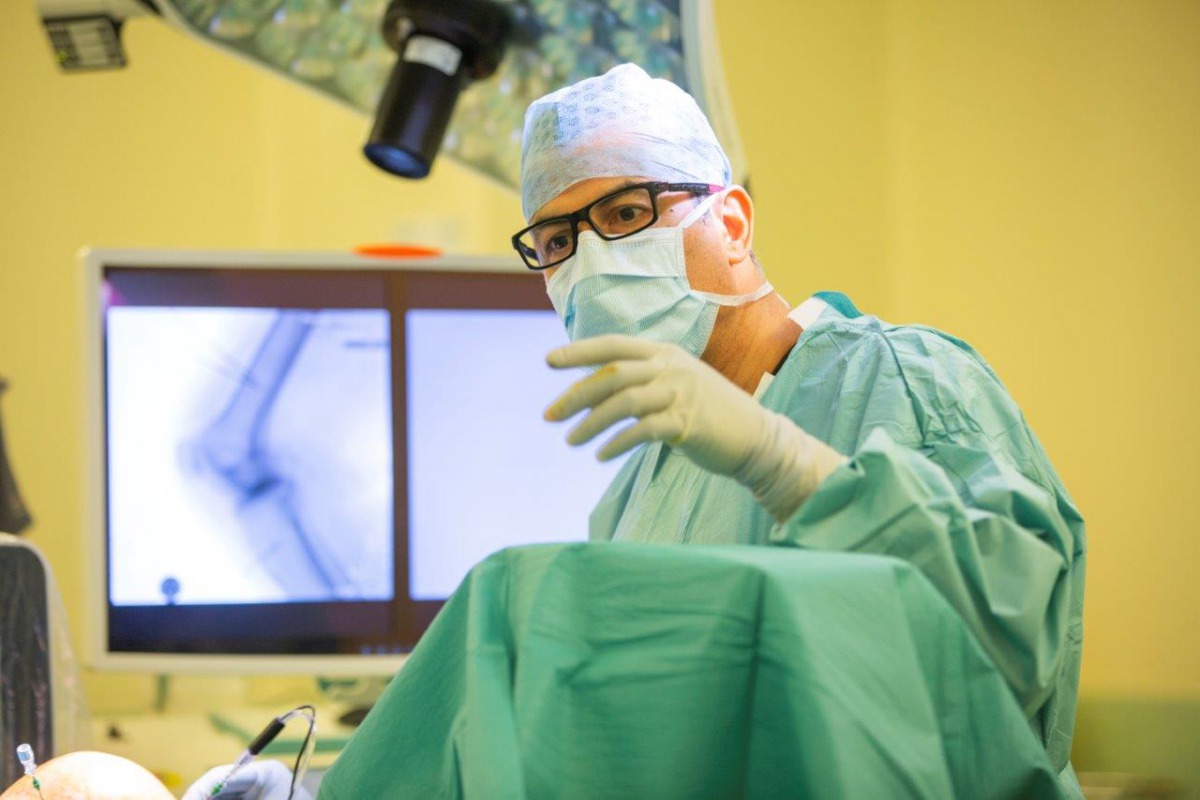
“This technique consists of using a needle probe attached to a particular medical device — the RF Generator. The probe is placed under imaging guidance at the target nerve tissue, followed by nerve testing before applying the electromagnetic field. This results in a special type of non-permanent “lesion” of the nerve fibres allowing very good control of difficult pain conditions. RF lesioning procedures typically require from 15 to 45 minutes.”
On the level of pain involved, Aspetar experts noted, “Unlike surgery, there is no significant skin incision. Local anaesthesia is used before the procedure to reduce the discomfort that may be felt during treatment. Most people can return to work one or two days after the procedure.”
Where RF lesioning is designed to help people who suffer from chronic pain. Aspetar experts use C-RF for areas including the knee, shoulder, hip, and spine. “It is essential to be aware that no one technique fits all diseases! Therefore, the patient will have to be well-examined, the medical condition investigated by imaging such as X-Ray, US, or/ and MRI before deciding to perform this technique or another procedure as needed,” added Dr. Yasin.
The use of RF has been known for years. However, the Cooled technology has more recently become available. There is good evidence supporting the use of C-RF. A good outcome is also reported from clinical series using the classic RF and the C-RF (depending on the site to treat). With a successful procedure, the pain improves or disappears within hours to days.
RF lesioning may provide the pain relief needed to allow patients to resume their daily activities. Pain relief usually lasts for months to years, although results vary depending on the individual.
While this technique is usually done in the operating area, some minor cases are being offered in OPD clinics every Wednesday morning.