Pics by: Salim Matramkot/The Peninsula
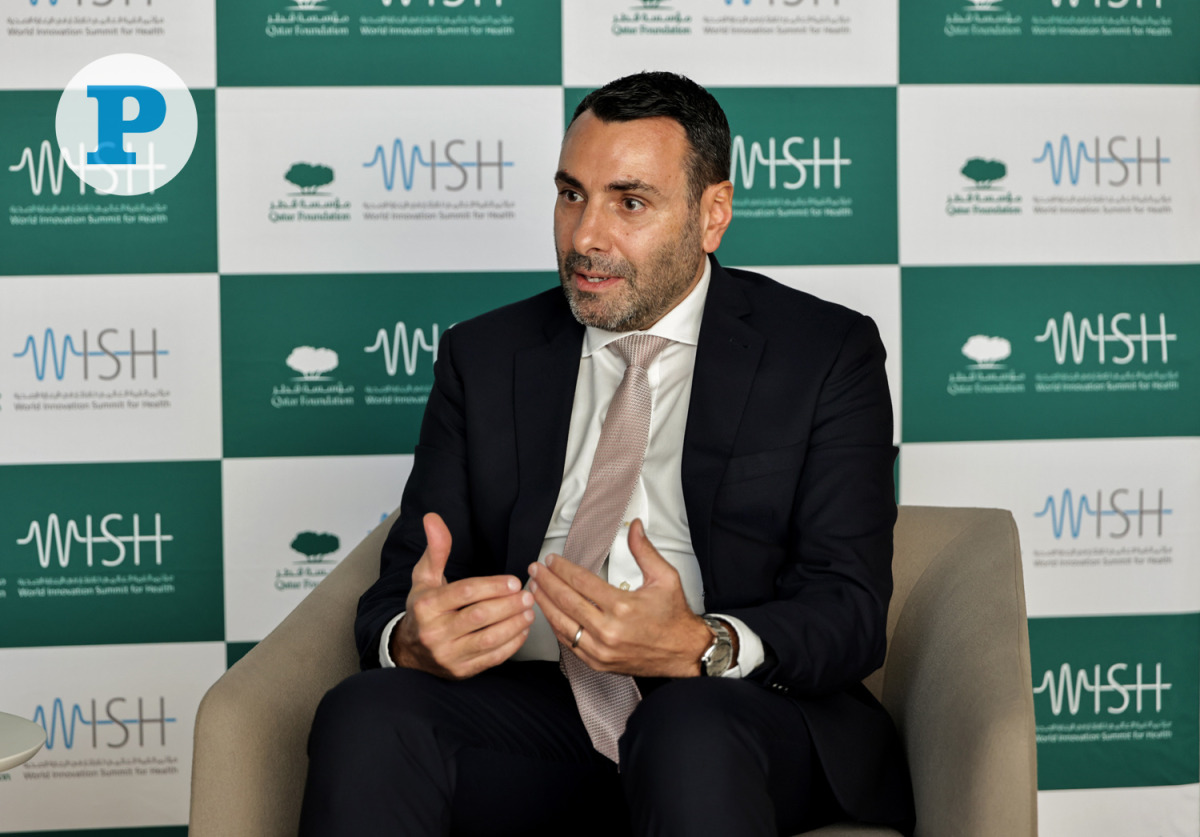
Doha, Qatar: Qatar’s ambition to think beyond its size, combined with an ecosystem that brings science, education, research and innovation together, provides a distinctive platform for addressing global health challenges, says World Innovation Summit for Health (WISH) CEO Dr. Slim Slama.
“Qatar is a country willing to think beyond its size and punch well above its weight internationally. That ambition is visible in the investments it makes in education, research, innovation and global engagement,” Slama said in an exclusive interview with The Peninsula, ahead of the eighth edition of WISH, which will be held in Doha on November 29–30.
He highlighted the role of Qatar Foundation (QF) in creating an environment where universities, research institutions and innovators work alongside one another, allowing ideas to cross disciplines and translate into practical solutions.

“What makes Doha special is the combination of global ambition and an ecosystem that brings science, education and innovation together in the service of society,” he said.
Founded in 2012 by Qatar Foundation, WISH has evolved into a global healthcare initiative and policy platform connecting international leaders, researchers, healthcare practitioners and innovators to address critical health challenges through research, dialogue and policy recommendations.
The eighth edition under the theme ‘The New Health Span’ will examine how societies can ensure that longer lives also translate into healthier, more meaningful and dignified lives.
Slama said the theme reflects the need to look beyond increasing life expectancy, as many people continue to spend a significant proportion of their additional years living with illness, disability or reduced independence.
“Healthy ageing asks how we can age better. Longevity asks a much bigger question: how should we live, relate to one another and organise society when we live longer?” he said.
He noted that longer lifespans require societies to rethink conventional life trajectories, including education, employment, retirement and family responsibilities. Older people, he added, should be recognised for their potential contributions through mentorship, learning, creativity and community engagement rather than viewed simply through the lens of frailty or dependency.
“Longer lives should not simply mean more years at the end of life. They should create more opportunities to learn, contribute and reinvent ourselves throughout life,” Slama said.
The WISH8 programme will address these challenges through five interconnected pillars: the Longevity Dividend, Financing the Cure, AI and Human-Centred Health, the Future of Fertility, and Health Diplomacy 2.0.
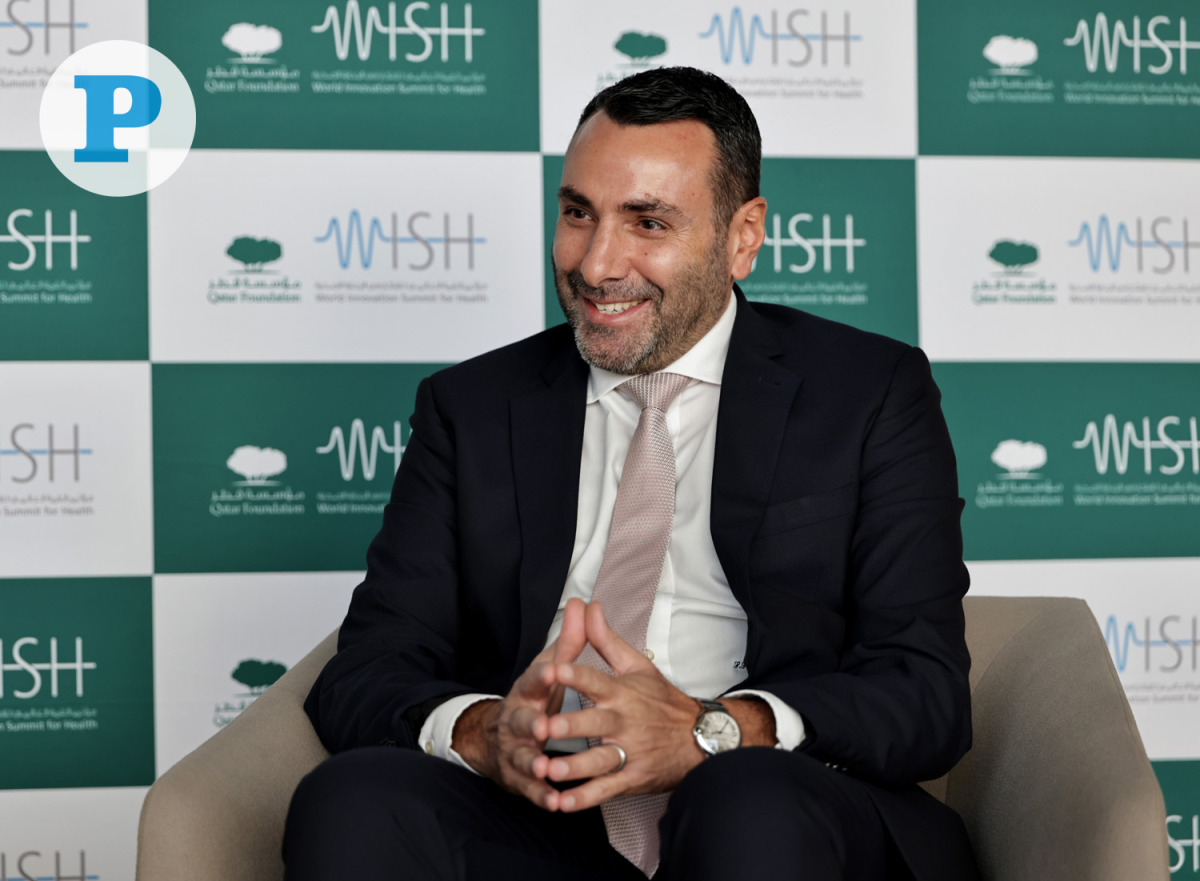
Slama said the five areas explore how scientific and technological progress can translate into better health outcomes while ensuring societies are prepared for the changes it brings.
“A breakthrough is only as valuable as our ability to deliver it fairly and to adapt our institutions and societies to its consequences,” he said.
Identifying the gap between technological advancement and the ability of institutions to adopt innovation responsibly as a major healthcare challenge, he stressed the need for evidence, appropriate regulation, trained professionals, sustainable financing and public confidence, particularly with the rapid development of artificial intelligence. “The challenge is no longer just to innovate faster. It is to become better at adopting innovation responsibly,” he said.
Slama also called on governments to look beyond life expectancy as a measure of progress, giving greater attention to healthy life expectancy, functional ability, affordable healthcare and inequalities in health outcomes. “Healthy longevity requires both personal discipline and a society that makes healthy choices possible, and gives people the opportunity to live meaningful lives,” he said.
He stressed that preparing for longer lifespans requires a whole-of-government approach, with education, employment, housing, urban planning, social protection and pension policies playing important roles alongside healthcare.
Slama further emphasised the importance of ensuring that countries with different levels of healthcare infrastructure have a meaningful role in shaping global health solutions. Countries with limited resources, he said, often have valuable experience in delivering essential services and reaching underserved communities.
“A global solution is not one designed in one place and exported everywhere. It is one that has been tested against different realities,” he said. Highlighting Qatar’s growing health and research ecosystem, he pointed to contributions from institutions including the Ministry of Public Health, Hamad Medical Corporation, Primary Health Care Corporation, Sidra Medicine, Qatar Precision Health Institute and Hamad Bin Khalifa University. “Doha is not simply a venue for the global health conversation. It can be a place where that conversation connects with real policy, research and innovation,” he said.
On WISH’s impact beyond its biennial summit, Slama said its success should be measured by whether research and policy recommendations influence healthcare practices, partnerships and government decisions. He cited its work on childhood obesity, which has contributed to national policy engagement in Qatar, and protecting healthcare in conflict, which has continued through international discussions and partnerships.