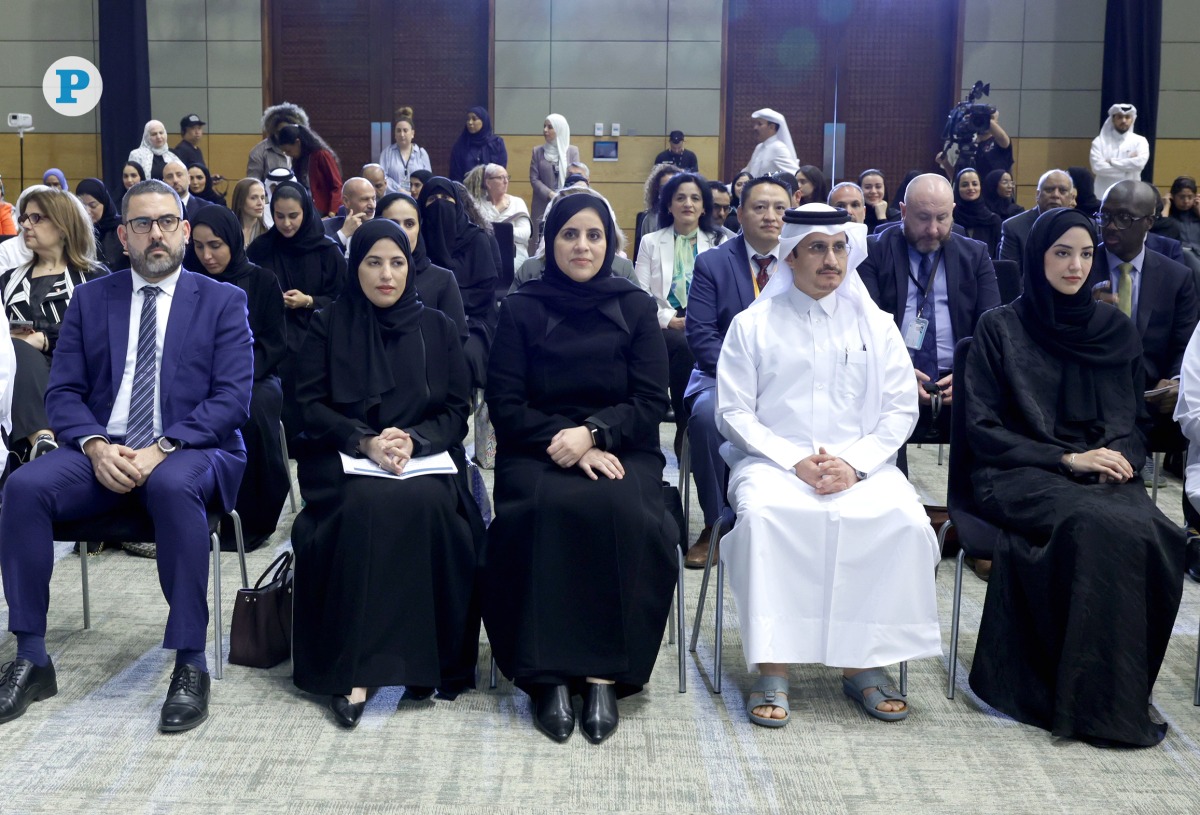
Chief Executive Officer of Qatar Foundation, Yousif Al-Naama with other officials at the event yesterday. Pic: Rajan Vadakkemuriyil /The Peninsula
Doha, Qatar: Qatar Foundation (QF) yesterday launched the accreditation framework for its Rasekh initiative, an educational framework that supports international schools in supporting national identity and promoting the Arabic language and cultural values within global educational environments.
The Rasekh Strategic Forum held at Multaqa (Education City Student Center) announced the first cohort of schools from Qatar and the region to become part of this educational pathway and marked the next step in the implementation of Rasekh, created by Qatar Foundation’s Pre-University Education.
The event was attended by Chief Executive Officer of Qatar Foundation, Yousif Al-Naama, private international school leaders and education partners.
The Rasekh initiative aims to build strategic partnerships with international private schools in Qatar, contributing to the development of a balanced educational model that combines global excellence with cultural rootedness.
Under the theme, ‘Toward an Education That Deepens Roots and Creates Impact’ Rasekh promises an education that upholds global standards while remaining deeply connected to the learner’s context, language, and identity.
The Rasekh Accreditation is considered a mark of educational quality awarded to international schools that demonstrate an institutional commitment to promoting the Arabic language and reinforcing identity and values within their curricula and educational practices, according to clear standards that are measurable and subject to periodic review.
Vice President of Strategic Educational Initiatives at QF’s Pre-University Education, Sheikha Noof Ahmed bin Saif Al Thani in her opening remarks said that while international education provides students with valuable global learning opportunities and access to high academic standards, the true quality of education also lies in building students who are confident in their identity and connected to their language, culture, history, and values.
She explained that the “Rasikh” framework was introduced to help international schools balance global standards with the local context, making education more relevant to students’ lives and identities.
“Rasekh represents a practical step forward in the development of international education in Qatar."
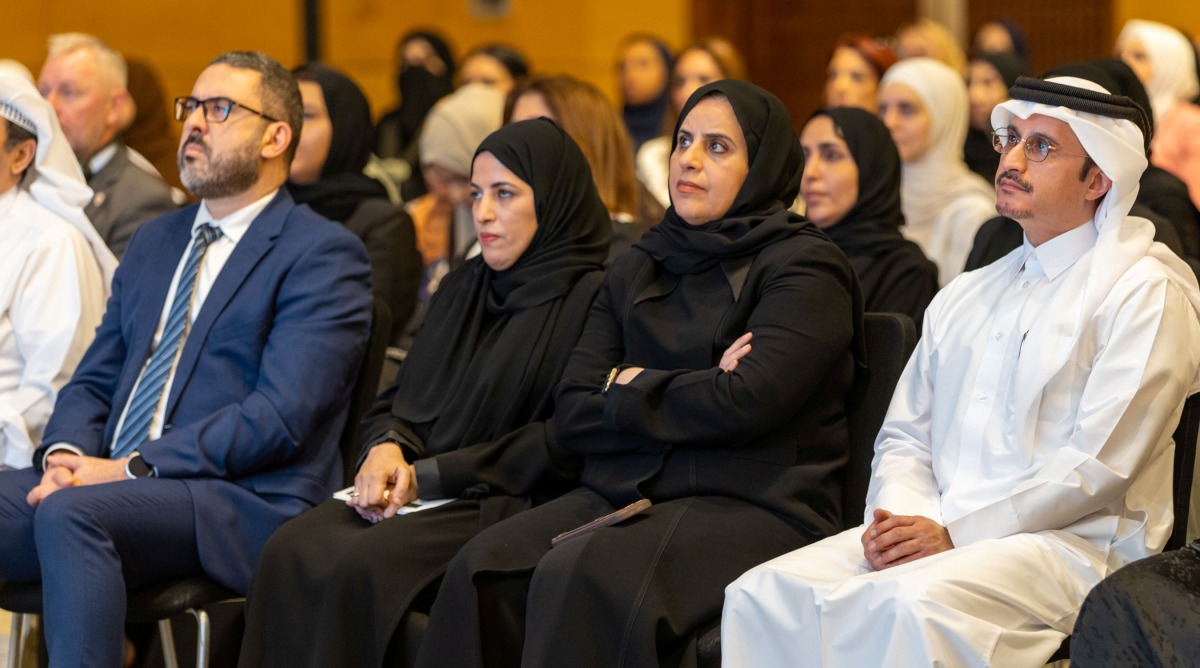 Chief Executive Officer of Qatar Foundation, Yousif Al-Naama, with other officials at the event.
“It looks at educational quality from a broader perspective, encompassing not only what students learn, but how they perceive themselves within that learning, and their connection to their language, environment, and values,” said Sheikha Noof.
“We want the international education experience to provide students with a strong foundation of belonging and confidence, empowering them to contribute to their communities and interact with the world consciously and capably,” she added.
Rasekh’s first cohort includes Al Maha Academy for Boys, Al Maha Academy for Girls, Al Jazeera Academy, Arab International Academy in Doha, Arab International Academy in Lusail, Amman Baccalaureate School in Jordan, and Houssam Eddine Hariri High School in Lebanon.
The inaugural cohort will help develop practical models showing how international schools can apply the framework to enhance educational quality, strengthen school identity, and improve student outcomes.
The Rasekh accreditation process includes application and institutional commitment, self-assessment, external evaluation, accreditation, and ongoing reviews for continuous improvement. Accredited schools receive the Rasekh certificate, the right to use the quality mark, membership in the Rasekh school network, and continued professional and educational support.
The event also featured a panel discussion ‘International Education Between Global Excellence and National Identity,’ which Head of Education Sector at Unesco Regional Office for the Gulf States and Yemen, Farida Aboudan; Senior Manager, Development & Recognition – International Baccalaureate (IB) Mary Tadros; Qatar Country Manager, Partnership for Education, at Cambridge University Press and Assessment, Fatima Hassan Fadlallah; and Managing Director of Tarsheed, Samia Bishara.
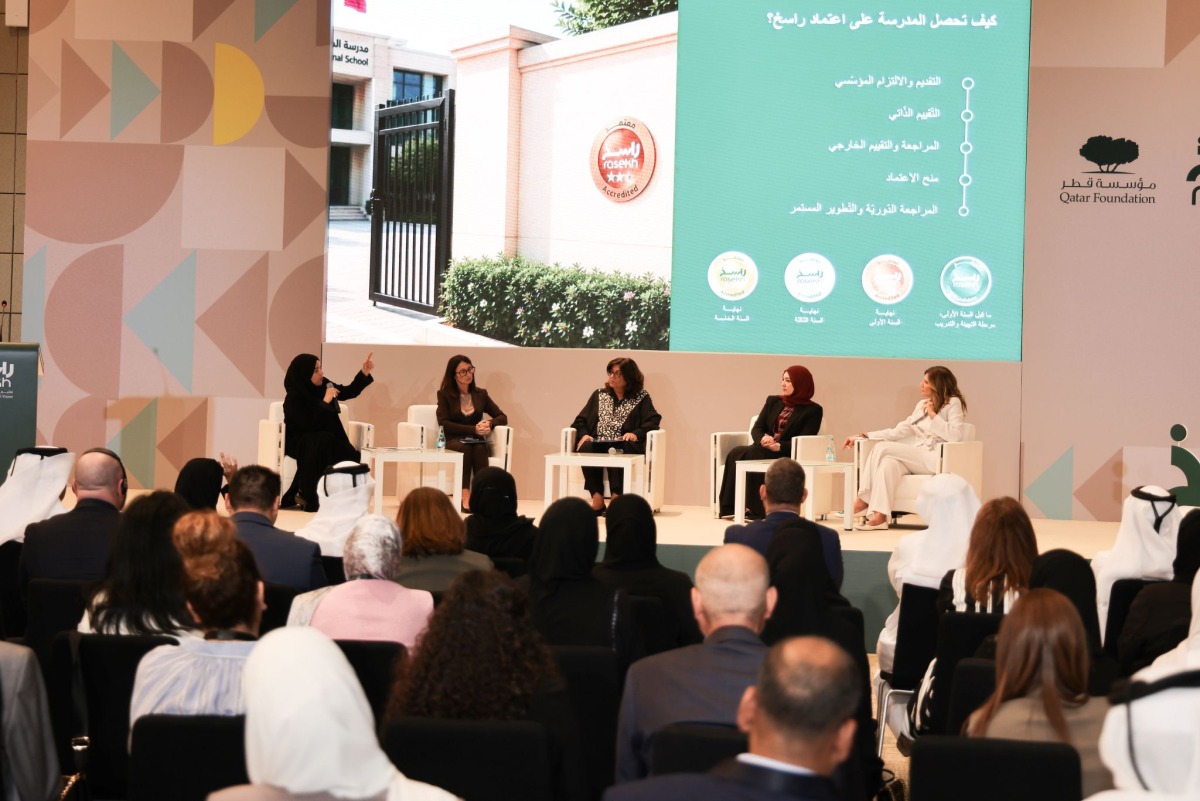 Panel discussion
Farida Aboudan emphasised that the partnership between UNESCO and the Rasikh initiative is a strategic collaboration that bridges global educational standards with deep local and national understanding. “This partnership is a strategic partnership that combines the global and the local,” she said.
She highlighted the importance of “place-based education,” where learning begins from the student’s local environment, language, and lived experiences. According to her, integrating local contexts into international education helps strengthen family engagement, preserve cultural knowledge across generations, and connect students to global concepts through their own realities.
Mary Tadros explained that the IB does not see international and national education systems as competing models, but as complementary frameworks working toward the same goal as developing students who are connected to their language, culture, and homeland while also being globally minded.
She stressed that the IB philosophy considers language much more than a communication tool, it is central to cultural identity and civilization. According to her, students must first develop roots in their own culture before they can truly engage with global citizenship and international-mindedness.
She also added that IB schools are expected to teach the mother tongue, integrate local culture, and use national contexts and resources within learning.