Experts from WCM-Q, HBKU’s College of Law and HMC worked together to deliver the latest instalment of WCM-Q’s Intersection of Law & Medicine series.
Doha: The legal framework and ethical challenges associated with the provision of primary patient care for patients with mental health issues were discussed at the latest installment of Weill Cornell Medicine-Qatar’s (WCM-Q) Intersection of Law & Medicine series.
A panel of expert speakers convened online to explore the legal framework and implementation guidance arising from Qatar’s Mental Health Law 16 of 2016, as well as ethical issues and Islamic values as they relate to hospital admissions and the practice of mental healthcare in Qatar.
The event, titled ‘The Stigma of Mental Health: Ethical Challenges and Legal Hurdles for Primary Patient Care,’ was coordinated and delivered by WCM-Q’s Division of Continuing Professional Development in collaboration with the College of Law at Hamad Bin Khalifa University (HBKU).
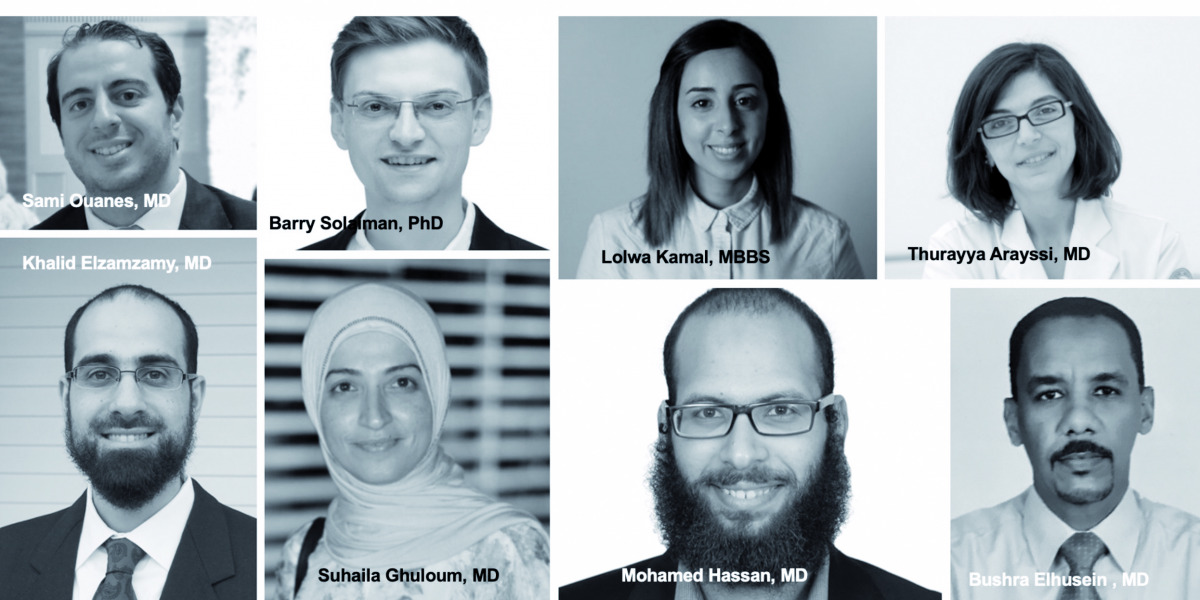
The event featured as expert speakers Dr. Barry Solaiman, assistant professor of law at the College of Law, Dr. Khalid Elzamzamy, fellow in child and adolescent psychiatry at the Institute of Living in Connecticut, USA, and Dr. Suhaila Ghuloum, senior consultant psychiatrist at Hamad Medical Corporation (HMC) and associate professor of clinical psychiatry at WCM-Q. The course directors were Dr. Thurayya Arayssi, professor of clinical medicine and senior associate dean for medical education and continuing professional development at WCM-Q, and Dr. Solaiman.
One of the key legal and ethical themes discussed related to the admission of patients with mental health issues to treatment facilities for care, since some patients at risk of serious harm to themselves or others may be unwilling to enter care or unable to give consent.
In his presentation, Dr. Solaiman explained the implications of Qatar’s Mental Health Law 16/2016 in this regard.
He said: “The main focus of this law is the difference between voluntary and involuntary admission, with voluntary admission being the psychiatric patient’s admission to hospital with his or her informed consent based on their free will, or their legal guardian’s consent where they lack the capacity to consent. There can be involuntary admission where there is severe mental illness or when a deterioration in the patient’s mental health is likely or inevitable.”
Dr. Solaiman also explained the procedures that must be followed and legal tests that must be met for an involuntary admission, the rights to appeal afforded by the law, and the amount of time a patient may be required to remain under supervision. He also noted that law provided for involuntary admission where the patient’s symptoms present a serious risk to the health, safety or life of the patient or others.
In her presentation, Dr. Ghuloum explained the provision of mental health services in Qatar and outlined barriers to care, such as social stigma, cultural attitudes, and patients’ concerns about confidentiality. She also said research showed that patients felt more comfortable seeking help for mental health issues when they could access it anonymously, when confidentiality was assured, and when they could be certain of the expertise of the healthcare provider.
The research also showed that many patients prefer to access care over the internet rather than in person, and that care given by a religious figure is often preferred, she said.
Dr. Elzamzamy used his presentation to give an overview of the interplay between Islam, Islamic ethics and mental healthcare, explaining how religion influences the manifestation, understanding and treatment of mental illnesses.
In addition to the presentations, the event also featured interactive Q&A sessions and case discussions between the speakers and the participants. These were conducted in separate virtual breakout rooms and were prepared and delivered by the facilitators of the event, Dr. Bushra Elhusein, Dr. Lolwa Kamal, Dr. Sami Ouanes, and Dr. Mohamed Hassan, all of Hamad Medical Corporation.
The event was accredited locally by the Ministry of Public Health’s Department of Healthcare Professions — Accreditation Section and internationally by the Accreditation Council for Continuing Medical Education (ACCME).