File photo
Doha, Qatar: Officials, economists, and businessmen said the country’s food security rests on an integrated framework of plans that enable flexibility and efficiency in responding to shocks.
They noted the State of Qatar has successfully mitigated the impact of geopolitical tensions linked to the war on Iran and resulting disruptions in commodity and food markets.
They highlighted that food security has been a strategic priority through local production, diversified imports, and strengthened strategic reserves, ensuring availability of high-quality food at reasonable cost. Qatar’s economic diversification strategies have contributed to stable food security by supporting varied production and supply chains, enabling effective crisis management.
Hassad Food Company, the State’s investment arm in agriculture and food, has implemented multi-route strategic supply operations to maintain market stability and meet demand, in coordination with the Ministry of Commerce and Industry and under the supervision of the Committee for Monitoring the Implementation of Food Security Policies.
Continuous field monitoring identifies supply gaps, allowing rapid intervention to deliver essential food items through a developed multi-route logistics system.
CEO of Hassad Food Engineer Ali Hilal Al Kuwari said Hassad’s multi-route strategic supply measures, in cooperation with government agencies and local partners, translate their planning and strategic logistics partnerships into practice.
He added that their investment strategy focuses on diversifying supply sources, boosting local production, and building resilient supply chains. Activating multiple routes executes a pre-approved strategy, providing full flexibility to adapt to any situation and ensure uninterrupted access to essential goods for consumers.
On the State’s efforts, Minister of Municipality H E Abdullah bin Hamad bin Abdullah Al Attiyah, the Chairman of the Committee for Monitoring the Implementation of Food Security Policie told Qatar TV that Qatar’s food security is stable and excellent, based on a clear pre-established vision that accounts for all scenarios, including the closure of the Strait of Hormuz.
He noted that achievements reflect a proactive 2024-2030 Food Security Strategy, built on three pillars: enhancing local production, managing strategic reserves with precise early-warning systems, and diversifying import sources while strengthening external investment in the food sector. Qatar has achieved 100% self-sufficiency in vegetables during their seasons and around 99% in dairy products, with some surpluses exported.
He stressed that strategic reserves are being reinforced with additional shipments of essential commodities like wheat and rice, though they have not yet been needed.
Businessman and former Deputy Chairman of the Qatar Chamber Abdulaziz Al Emadi said that Qatar is now reaping the benefits of its previously implemented economic diversification plans.
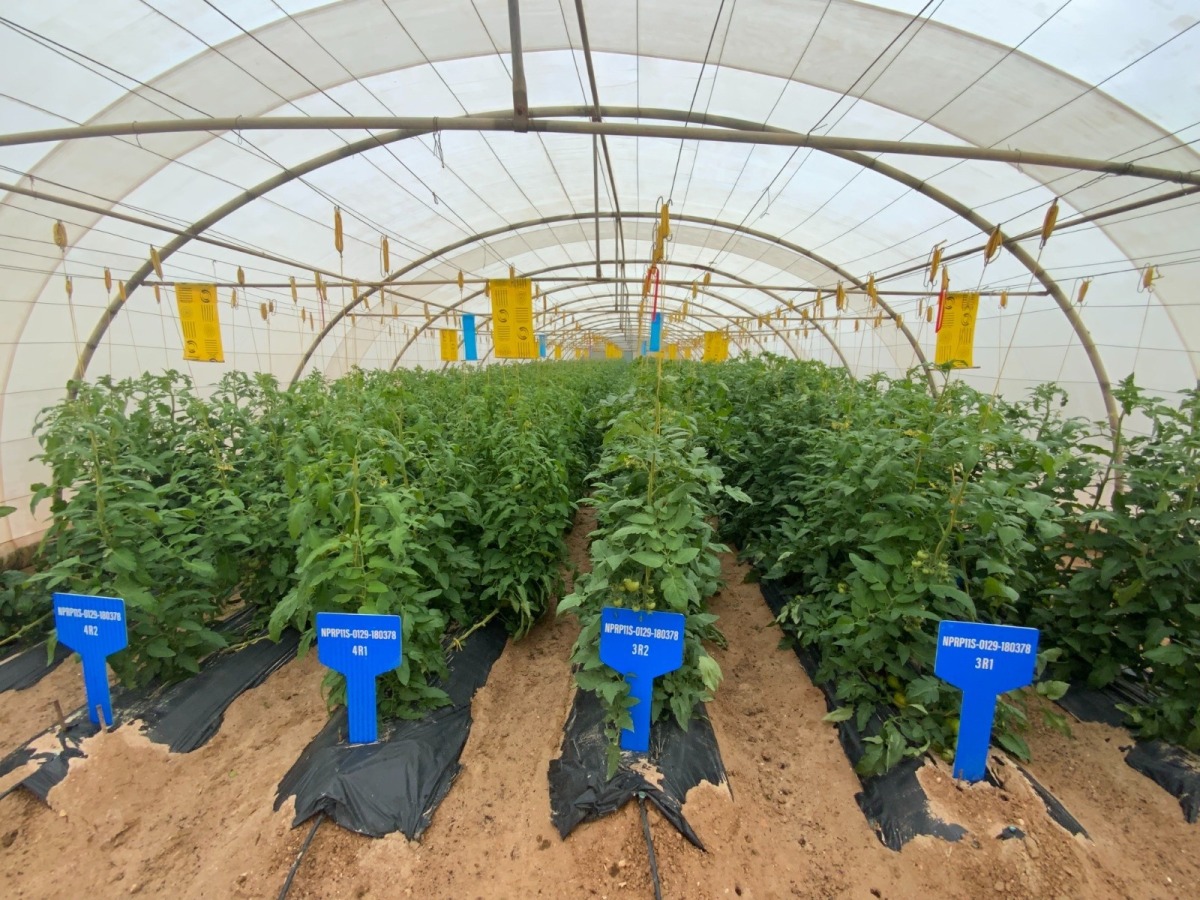
He highlighted the country’s strategies to localize production of key goods such as dairy products and vegetables through protected farms and planned industrial expansion, achieving self-sufficiency in many products.
Similarly, the Ministry of Commerce and Industry confirmed that Qatar’s markets remain stable, supported by sufficient strategic reserves and proactive plans to address challenges, alongside a comprehensive system monitoring market movement and storage levels.
Minister of Commerce and Industry H E Sheikh Faisal bin Thani bin Faisal Al-Thani told Qatar TV that the ministry oversees field inspection plans through over 300 inspectors, ensuring compliance, market stability, and availability of goods, conducting approximately 3,000 inspections daily since the start of the crisis. He highlighted that Qatar ranks 30th globally on the Global Food Security Index, reflecting the success of government policies in building a resilient food system. The country now hosts over 138 national food factories, with more than 2,000 local products in 2025, a 9% increase from 2024.
Professor at the College of Business and Economics at Qatar University Dr. Rajab Al Ismail said that since 2017, Qatar has restructured its economy, shifting from importing about 90% of its goods to achieving self-sufficiency.