By Raynald C Rivera
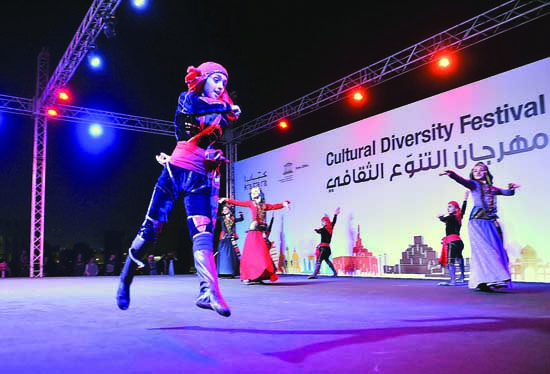
DOHA: The Georgian Youth Folkloric Ballet “Egrisi” painted a vivid picture of the Georgian folkloric dance heritage through a mosaic of dances in front of hundreds in the audience last night during the first of their two performances at the Cultural Diversity Festival at Katara Esplanade.
Georgia is the fourth country to present at the festival organised by the UNESCO Office in Doha together with the Cultural Village Foundation — Katara.
One of the creative forces on Georgian stage, the troupe performed a wide range of Georgian folk dances reflecting the way of life of Georgians in the past. They looked stately in their beautifully crafted colourful costumes accentuated with fabulous head dresses.
The ensemble impressed the audience with their complicated dance routines involving graceful hand movements and swift amazing tricks of toes and knees only best trained dancers can execute combining skill and art.
From dances depicting aristocracy to romantic dance items to warrior dances, the young dance company composed of performers aged six to 24, earned the applause of Katara visitors who stayed in the venue until the conclusion of the show despite the cold weather.
“I think this event is an excellent platform to promote better understanding among people. Dance is a language everyone understands and reflects how different and similar we are,” said Sara, a dance art enthusiast.
The 20-year-old dance company founded in Tbilisi has already enthralled audiences performing on various stages in their country.
Founded in Tbilisi, the ensemble has travelled extensively participating in competitions, festivals and cultural events around the world including Turkey, the Netherlands, Bulgaria, Romania, Cyprus and Greece among others. It has also presented in Doha in several occasions including the 15th Doha Asian Games in 2006 and the Doha Capital of Arab Culture in 2010.
Georgian Ambassador Ekaterine Meiering-Mikadze, UNESCO representatives and Katara officials were among those in attendance at the show which will witness a repeat tonight.
The biggest and longest festival of its kind hosted by Katara, the festival runs until May 25 and will see performances by dance troupes from 20 countries from various continents. It also includes international and national workshops and is a vital part of UNESCO’s Intercultural Dialogue and Cultural Diversity Programme to increase cultural awareness and understanding. Among the countries that have already performed in the festival were the Philippines, India and Kenya.
The Peninsula