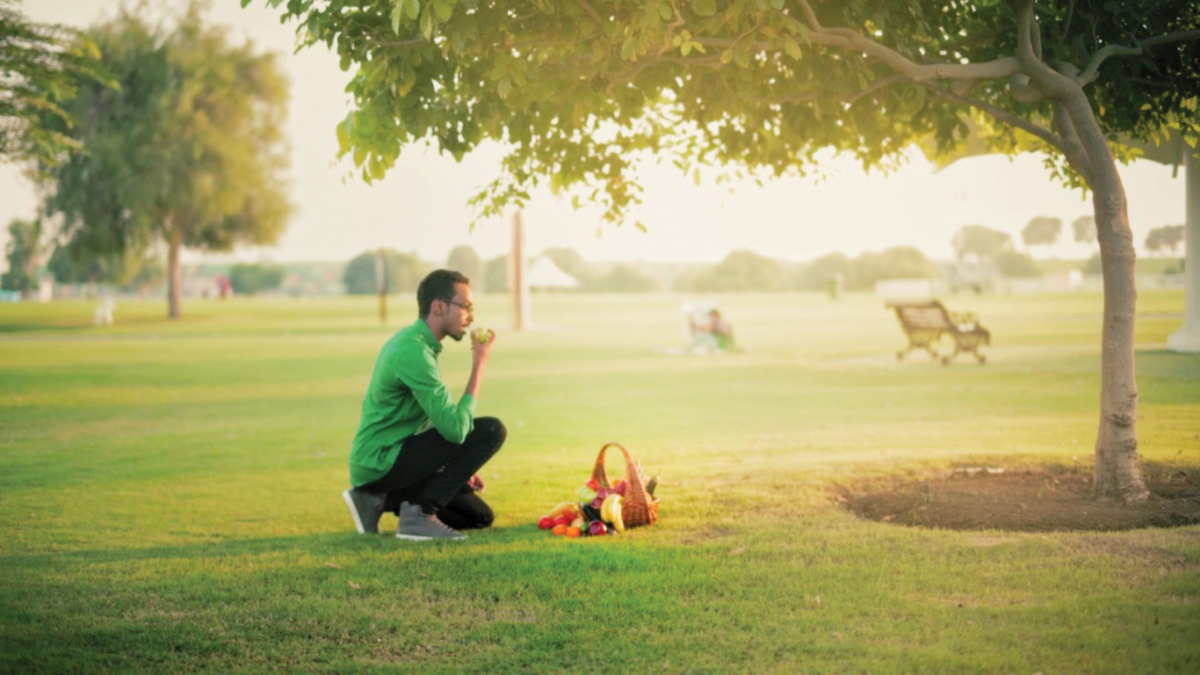
Sudanese and vegan Salim, 30 years old, felt a sense of guilt on what was happening around the world and how mankind was destroying the balance of mother nature.Thus, he decided in 2013, to step up and do something by reducing the consumption of animal products and becoming vegan.
His small social circle, close family members and friends didn’t welcome the idea with open arms; they objected to it since Sudanese cuisine heavily depends on meat as main ingredient in most dishes.
Even his mother refused cooking dishes that don’t have animal products, simply because meat is an essential ingredient in most dishes she cooks.
“”To stick to my decision, I fought a battle,” Salim said after taking a deep breath.
He then had no choice but to start learning how to cook vegetarian meals for himself. Then he started to upload cooking lessons on YouTube teaching his audience how to cook vegetarian meals without using any animal product such as Ful - a famous dish in Middle East (https://www.youtube.com/watch?v=p17aqeLWxHs)
Being vegan is especially a challenge in a culture like the Sudanese where meals are considered an essential element of socialising and in times when loved ones come together.
People sit and eat in one tray where variety of dishes are served. It may be considered impolite to not eat from the same dishes which may come across as being ungrateful or unappreciative.
“At the beginning it was interesting debating people about the topic. I heard their views and I voiced mine. I also felt unique. However, that changed with time. It became annoying and exhausting,” Salim said.
He also mentioned how some people started using religious views on how Islam allows Muslims to consume animal products, and that by being vegan he was contradicting Islamic teachings and all other series of similar arguments.
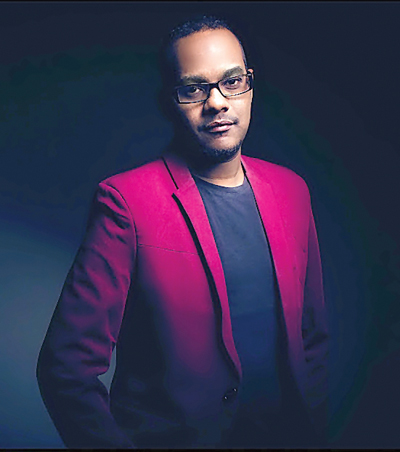
Nevertheless, Salim claims his decision did not come out of thin air. He researched, read a series of articles, books and watched documentaries that he believed helped him to come up with this conclusion, which he still believes in and hold onto till this very moment.
In 2008, Salim started his YouTube channel as a step to pursue his dream career to be a filmmaker.
In September 2015 he attended a six-week Short Narrative Lab (SNL) organised by Doha Film Institute-DFI, which required the participants to write a short film script based on a personal experience.
Only then Salim’s hardship played in his favor. For him it was no brainier writing the script was a piece of cake. However, he chose to convey the difficult time he went through in a humorous way.
Out of 18 contestants only five got funded by the Institute to make their films. Salim was among them.
Although the film talks about how he struggled to be a vegan, Salim said that the main message behind the film is to accept other’s views, decisions and opinions.
The title of the movie was controversial as well. In Arabic it’s called “Nam le Mokaderat” which means “Yes to Mokaderat”, “Mokaderat” is a combination of vegetables “koadar” and drugs “Mokhadir” which reflects the reaction of the loved ones when the main character announced his decision to go vegan. It was as if he said he were going to abuse drugs.
It comes through as a funny title, given the fact it’s a comedy film. However, that wasn’t the case for DFI which at first opposed it, due to moral social responsibilities.
“It was a hustle to convince DFI that people will get the sense of humor the name holds. Luckily, they did. I’m glad DFI approved at the end, despite the criticism they might face.”
“Veganize it!” is Salim’s first short film. He was the scriptwriter and director.
Despite that fact, the idea of the film continues to get critical acclaim especially when “Veganize it” screened in Salim’s motherland Sudan at Sudan Independent Film Festival where it was nominated for best Sudanese film.
Salim attended the May Day Sustainability Film Festival in the University of Illinois where the film won three awards for best narrative story, best comedy film and audience favorite film.
“It felt amazing sitting in the middle of the audience while my film was being screened and hear them laugh, and interact with them afterwards,” he explains his excitement.
The film got nominated three times and had been screened in many well-known festivals such as Cannes Film Festival in France, Luxor African Film Festival in Egypt and Clermont Ferrand International Short Film Festival in France. It will be screened in other festivals in Austria, Italy and Serbia until the end of this year.
Salim is currently writing a script for a Sudanese drama. He says it’s time for the Sudanese digital entertainment (film industry) to shine since there are many interesting materials and stories about Sudan and Sudanese heritage that isn’t known to the world which he hopes to deliver through his movies.
“The stories my grandmother told me when I was young will alone make dozens of short films. We have very rich heritage and we have to share it with the world.”