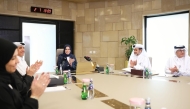
Doha, Qatar: Pilgrims from the State of Qatar continue to perform the Hajj rituals for the 1447 AH season in Mina, including the stoning of the Jamarat, in an atmosphere of faith filled with peace and tranquility.
This takes place under close field monitoring by the Qatari Hajj mission, in full coordination with approved Hajj campaigns, and within the capabilities provided by the State, in implementation of the wise leadership’s directives aimed at ensuring the best possible conditions.
In this context, Head of the Medical Unit of the Qatari Hajj Mission, Dr. Khalid Abdulhadi Ali Awad confirmed that medical clinics in Mina operate around the clock with a specialised team of doctors, nurses, paramedics, and pharmacists working in shifts to ensure rapid response to medical cases and provide immediate care according to the highest standards.
The mission’s headquarters in Mina includes a fully equipped medical clinic fitted with the latest devices and equipment. It also includes mobile emergency response teams on foot, designed to reach urgent cases in areas where ambulances cannot easily access, thereby enhancing rapid intervention efficiency. The mission noted that most cases handled were minor, reflecting the effectiveness of preventive measures and healthcare services provided.
The clinic consists of two separate sections for men and women, each including three main units: triage, examination, and treatment, ensuring smooth workflow and integrated healthcare services. It is supported by a pharmacy stocked with essential medications required for field cases.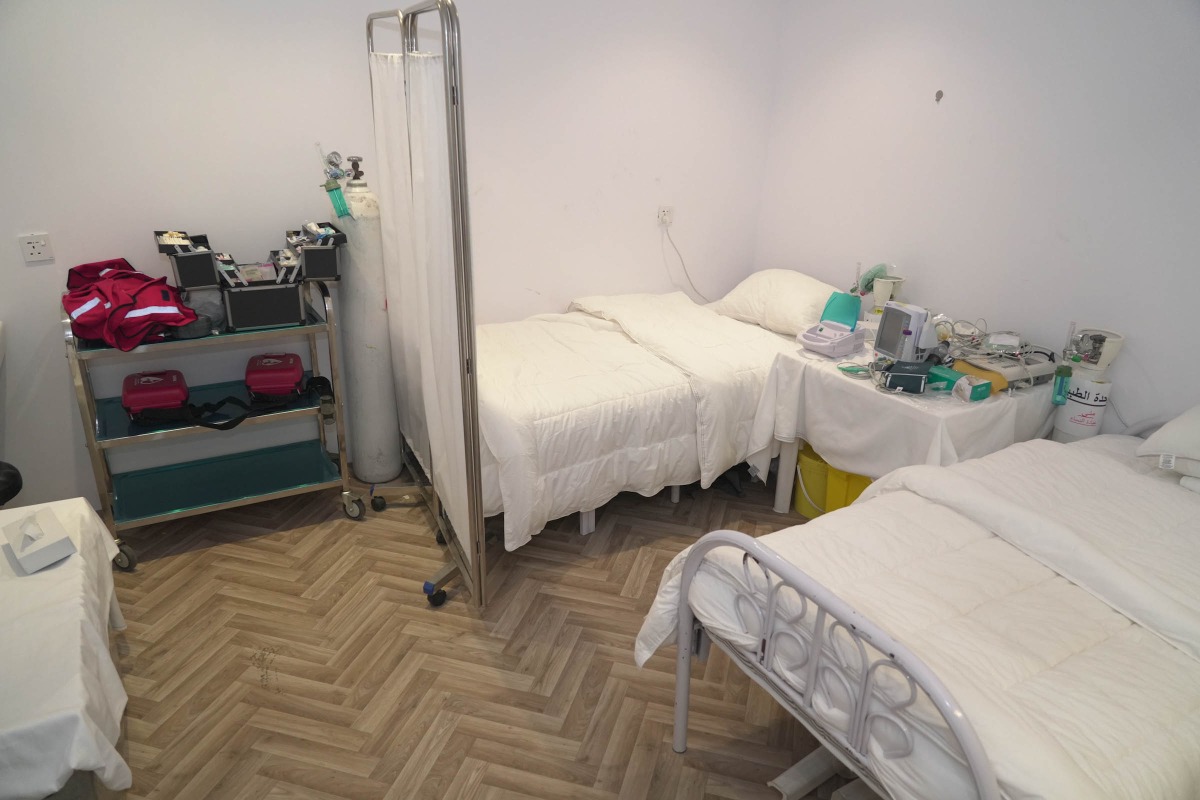 The clinic is also equipped with advanced medical technology, including ECG and defibrillation devices, first aid supplies, and injury treatment equipment, in addition to an isolation room designated for suspected infectious cases, equipped with independent ventilation systems.
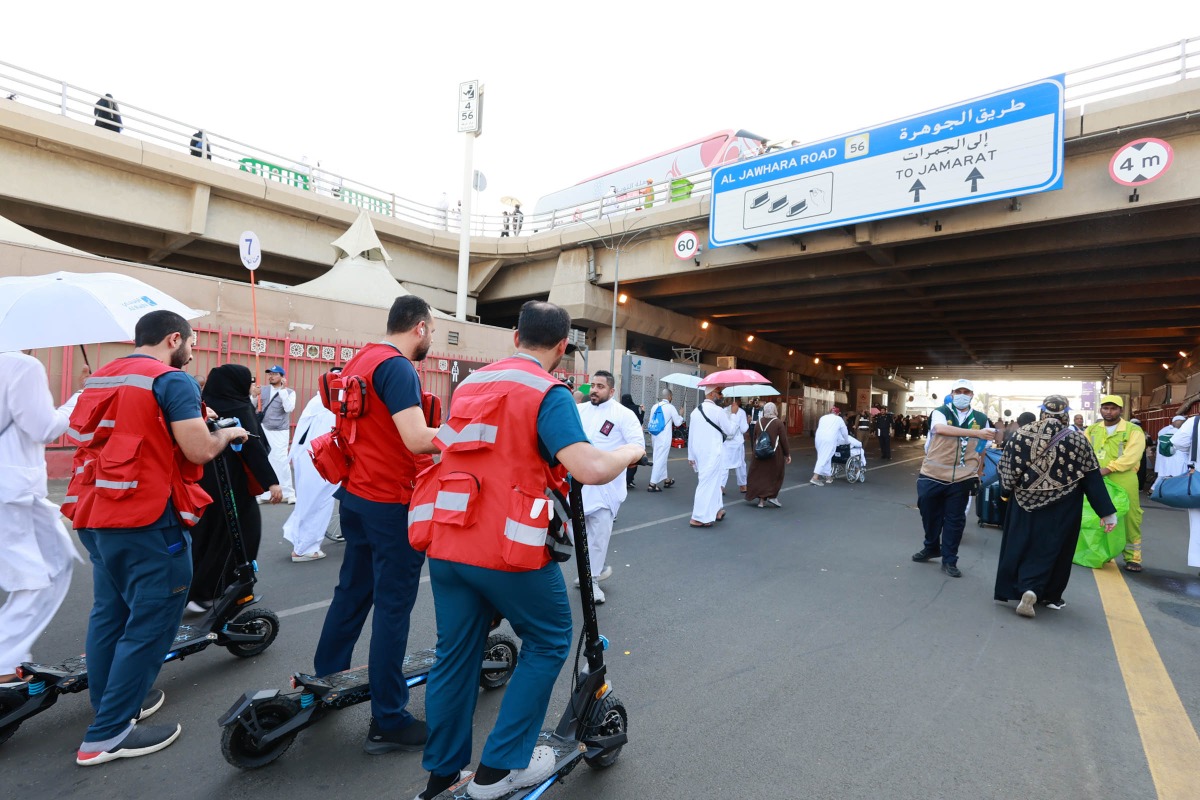
Foot patrol ambulance teams operate using modern mobility tools (rapid response scooters) equipped with medical supplies, conducting continuous field rounds between Mina camps and pilgrims’ routes to the Jamarat. This helps provide immediate first aid and enhances response speed during emergencies in crowded areas.
A fully equipped ambulance has also been provided, along with innovative field solutions, most notably the use of an advanced medical suit that enables paramedics to carry essential medical tools and move efficiently within crowds.
Dr. Khalid Abdulhadi noted that the clinics have handled around 600 cases from the Day of Tarwiyah until the first Days of Tashreeq, emphasising that most were mild to moderate cases such as respiratory infections, fatigue, and muscle pain. This reflects the overall stable health condition of Qatar’s pilgrims.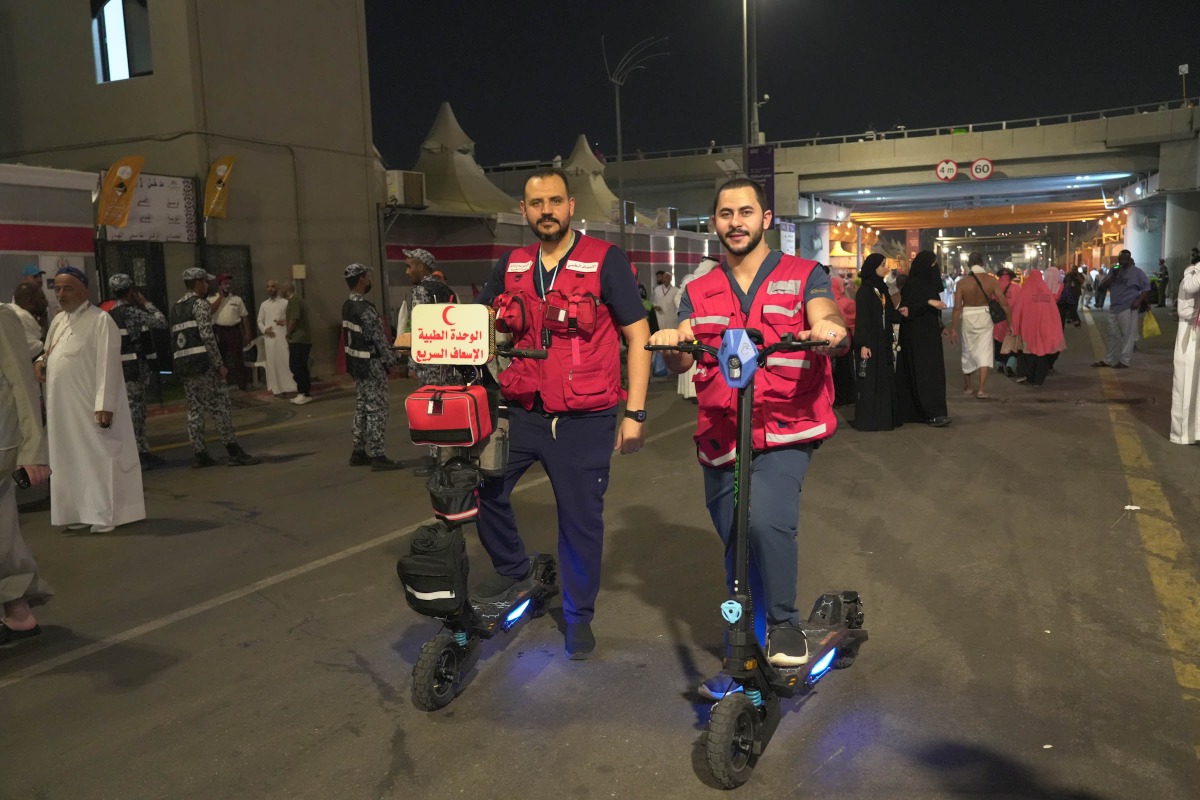 As part of health awareness efforts, the medical unit urged pilgrims to increase fluid intake, avoid direct exposure to sunlight, adhere to preventive measures including wearing masks, avoiding overcrowding, and delaying the stoning ritual to cooler times of the day, while making use of religious concessions for the elderly and those with medical conditions.
These efforts are implemented within an integrated healthcare system based on coordination and cooperation between the Ministry of Awqaf and Islamic Affairs, the Ministry of Public Health, Hamad Medical Corporation, and the Primary Health Care Corporation, in addition to partnership with the relevant health authorities in the Kingdom of Saudi Arabia. This ensures the provision of high-quality medical care for Qatar’s pilgrims.
The Qatari Hajj Mission confirmed its continued medical readiness until the end of the season, in accordance with a precise operational plan that meets field requirements and reflects the State’s commitment to providing a comprehensive and safe healthcare system.