

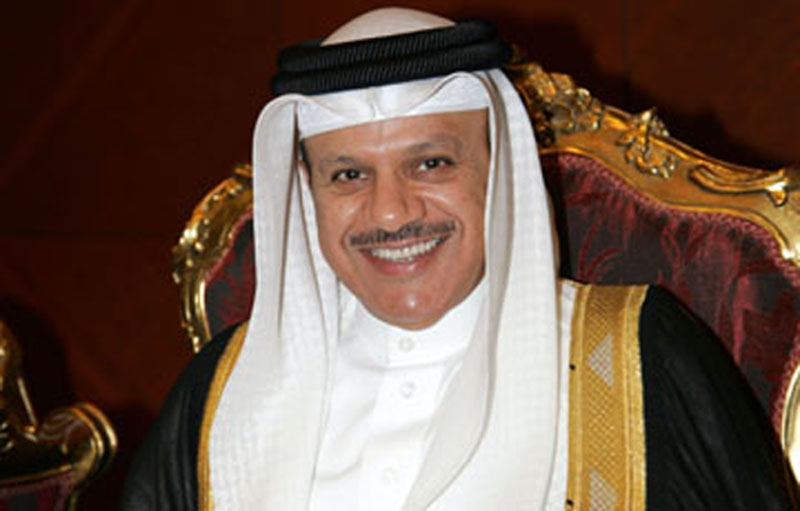

DOHA: Thanks to the GCC Customs Union, the trade exchange among the member-countries was about $140bn in 2014.
This trade figure was barely $6bn when the GCC was established, reports Qatar News Agency (QNA) quoting the GCC Secretary-General.
Dr Abdul Latif bin Rashid Al Zayani, the Secretary-General, lauded the efforts made by Qatar during its presidency of the 35th session of the GCC Supreme Council.
He hailed the sincere efforts made by the Emir, H H Sheikh Tamim bin Hamad Al Thani, and Qatar’s government to push forward the GCC’s common agenda.
In an interview with QNA, Al Zayani highlighted the constructive cooperation and the great effort made by Qatar’s Foreign Ministry to host meetings of the GCC ministerial councils and committees. The meetings contributed to achieving a number of important objectives towards strengthening the march of the GCC’s joint action.
Al Zayani stressed the importance of the upcoming GCC Summit in Saudi Arabia in the light of political, security and economic developments in the region.
The Summit will effectively contribute to deepening GCC relations and promoting cooperation and integration, as well as addressing the risks the GCC countries face in the current circumstances.
He said the GCC states are fully aware of the political, security, economic and social challenges and are working hard to take all the necessary measures to maintain security and stability and to defend their interests.
Al Zayani said the meetings of the top leaders of the GCC countries always reflect their keenness to ensure prosperity and welfare for all GCC people, with special attention to the youth.
He noted that the GCC General Secretariat is currently completing the implementation of the Supreme Council’s decisions concerning the youth and developing their talent.
The General Secretariat has held five youth workshops which resulted in the issuance of several important recommendations that were submitted to the respective ministerial committees in order to translate them into action through programmes and plans that would fulfil the aspirations of young people. Al Zayani said that the Secretariat is also working on completing the study on the GCC youth activities. The Secretariat will also review issues of interest to the youth on a regular basis in order to determine the topics to be submitted to the GCC Summit.
Regarding the progress of the GCC integration, Al Zayani said the GCC states have taken very important steps in this regard. They were able to establish a GCC Common Market and achieve ‘economic citizenship’ which allows treating GCC citizens equal as regards property ownership, residency, and practicing professions and trades as well as benefiting from social services such as education, health services and insurance and social insurance.
Dr Al Zayani said the GCC seeks to be an economic power and bloc that can deal effectively and efficiently with global and regional economic blocs and in the interests of the GCC people.
He said the council is working to deepen economic integration among its members, overcoming some of the obstacles facing the Customs Union, increasing the role of the GCC private sector in all development areas and providing appropriate investment climate for it to establish joint ventures, directing an important part of GCC investments into member-states, especially in industry, housing, tourism and services, activating the role of financial markets in member states, implementing decisions of the Supreme Council and unifying legislations and laws.
On the regional railway project, Al Zayani said it is an important and strategic project and will make the GCC countries enter an important economic phase and contribute to facilitating commercial traffic and movement of citizens and residents.
He said the project has entered the detailed engineering design phase scheduled to be completed in 2018.
He said the GCC general-secretariat is following up on implementation of the project with member states, holding regular meetings of the project’s commission and updating the follow-up schedule of the project’s progress.
He said a study for the establishment of a GCC railway authority is being conducted.
Regarding GCC-Iran relations, Dr Al Zayani said it could be constructive and beneficial for both sides and the region in general, should be based on the principles of good neighbourliness and mutual cooperation, serve the interests of both sides and maintain regional security and stability.
He said the council showed sincere desire to establish friendship and cooperation with the Muslim neighbour Iran, which regrettably responded with more insistence on their positions.
Iran still insists on its occupation of the UAE’s islands (Greater Tunbs, Minor Tunbs and Abu Musa) and refuses to respond to the GCC countries’ call to resolve the issue through negotiation or by going to International Court of Justice. He said Iran continues to intervene in the internal affairs of the GCC countries and supports terrorist organisations with money and weapons to destabilise the security and stability of the GCC countries, QNA said.
The Peninsula







